
Why Credit One Is One of the Worst Credit Card Issuers in America
Jun 29, 2026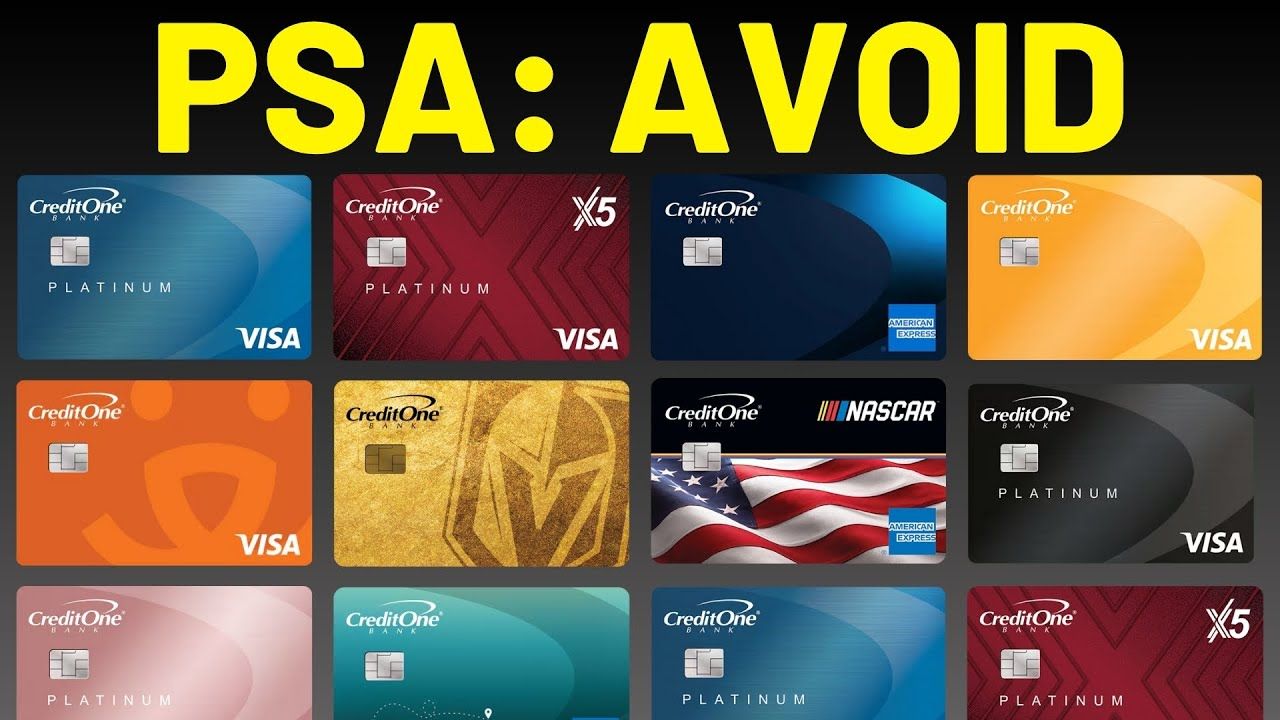
Credit One has built a reputation as one of the most complained-about credit card issuers in the country.
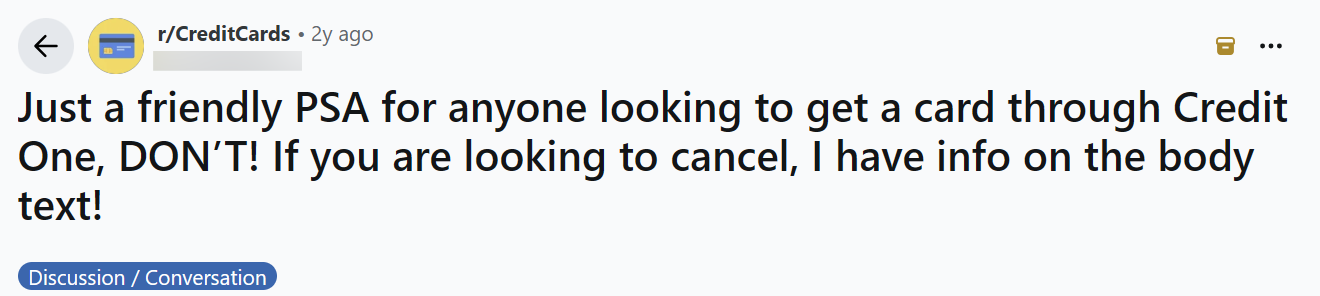
And honestly, after looking at the fees, the cancellation complaints, the marketing tactics, and the way these cards are pushed toward people with bad credit, it is not hard to see why.
A lot of people apply for Credit One because they are trying to rebuild credit. They may have a low score, a thin credit file, or a recent denial from a better bank. So when a card offer shows up in the mail, it can feel like a lifeline.
But that is exactly where the problem starts.
Credit One cards often come with high annual fees, extra charges, confusing terms, and poor value compared to better credit-building options like secured cards from major banks.
Disclosure: This article may contain affiliate links, which means I may earn compensation if you click or apply through certain links.
Quick Answer
Credit One is a credit card issuer that many people complain about because of high fees, difficult cancellation experiences, confusing marketing, and weak card benefits. Some people use Credit One to rebuild credit, but in many cases, there are better options with fewer fees and a clearer path forward. Before applying for any credit card, especially if you are rebuilding credit, compare pre-approval options and read the fee schedule carefully.
Credit One Cards Can Be Loaded With Fees
Credit One feels like one of those cheap airlines that charges you for every little thing.
The ticket looks affordable at first. Then you realize there are fees for bags, seats, snacks, breathing, blinking, and existing.
That is how Credit One can feel.
Many Credit One cards charge annual fees. In some cases, the fee may be billed all at once. In other cases, it may be broken into monthly payments. Either way, that fee can eat into the value of the card fast.
And the annual fee is not the only problem.
Credit One may also charge fees for things like:
-
Express payments
-
Replacement cards
-
Custom card designs
-
Cash advances
-
Certain credit limit increases
That is where people get frustrated.
One cardholder complained about being charged what looked like a monthly version of an annual fee. Another said they were basically paying around $100 per year for a card with a low credit limit and almost no useful benefits.
That is a bad trade.
If you are paying a yearly fee for a credit card, the card needs to give you something valuable in return. Better rewards. Better perks. A strong approval path. A real credit-building benefit.
With Credit One, a lot of people feel like they are paying just to have the card.
Helpful resource: Before applying for a new credit card, check options using my Free Credit Card & Loan Pre-Approval Master List so you can compare cards before risking unnecessary hard pulls.
Express Payment Fees Are a Big Complaint
One of the biggest complaints about Credit One is the express payment fee.
Some cardholders have complained that standard payments can take days to post, while faster payment posting may require an extra fee.
That matters because credit cards are time-sensitive.
If your payment takes too long to post, it can affect your available credit. It can also create stress if you are trying to avoid interest, late fees, or utilization problems.
A lot of major credit card issuers do not make this feel so painful. You pay your bill, the payment posts, and you move on.
With Credit One, some customers feel like even paying the bill becomes another opportunity for the bank to charge you.
That is not a great customer experience.
Credit One Can Be Difficult to Cancel
Another major complaint is that Credit One can be hard to cancel.
Plenty of people have reported high-pressure retention calls when trying to close their accounts. Some say they had to repeat themselves several times. Others say they were offered temporary fee waivers to keep the account open.
That may sound harmless, but it creates a real problem.
If you are done with a card, you should be able to close it clearly and cleanly. You should not have to fight through a long phone call just to stop doing business with a bank.
Some customers have also warned that you need to make sure the account is actually closed. The concern is that if the account stays open and fees continue posting, you could later find out there is still a balance.
That is the kind of mess nobody wants.
If you cancel a Credit One card, make sure you:
-
Get confirmation that the account is closed
-
Ask whether there is any remaining balance
-
Save your cancellation confirmation
-
Watch future statements or emails
-
Check your credit reports later to confirm the account status
Do not just assume the first phone call solved everything.
The Cash Advance Checks Are a Problem
Another complaint about Credit One involves cash advance checks.
These are checks that may arrive in the mail and look like easy money. But they are not free money. They are usually treated as a cash advance against your credit card account.
That can mean cash advance fees and a high APR.
One person described receiving a $150 check that would post as a cash advance with a steep APR and an added fee. Another said they received a “convenience check” and threw it away after realizing it was just a cash advance against their credit line.
That is the right move.
If you receive a check from a credit card company, do not assume it is a gift. Read the terms carefully. In many cases, using that check can be one of the most expensive ways to borrow money.
Charging for Credit Limit Increases Is Wild
Credit limit increases are usually supposed to be a reward.
You manage your account well. You pay on time. Your profile improves. The bank may offer you a higher limit.
That is how it works with many major issuers.
But some Credit One customers have complained about being charged a fee for a credit limit increase. One person said they were offered a small increase but had to pay a fee to get it.
That is wild.
A higher credit limit can help your utilization, but paying a fee for a small limit increase is not always worth it. If the increase is tiny and the fee is annoying, the better move may be to build your credit and apply for a better card later.
Credit One’s Branding Creates Confusion With Capital One
One of the strangest parts of the Credit One story is how easily people confuse it with Capital One.
The names sound similar. The logos have looked similar enough to confuse people. And both companies are in the credit card space.
That creates a serious problem for consumers.
Some people think they are applying for Capital One when they are actually applying for Credit One. That is a big difference.
Capital One is a major issuer with popular cards, secured card options, and a much stronger reputation. Credit One is a different company entirely.
Capital One and Credit One are not the same bank.
This confusion is one of the reasons Credit One’s marketing bothers so many people. If someone is rebuilding credit and sees a card offer that looks like it may be connected to Capital One, they may not realize what they are actually signing up for.
That mistake can get expensive.
Credit One Is Sometimes Pushed to People Rebuilding Credit
Credit One often shows up in recommendations for people who are new to credit or rebuilding credit.
That is part of what makes this frustrating.
People with lower credit scores are already in a vulnerable spot. They may not qualify for the best rewards cards yet. They may be trying to recover from late payments, collections, high utilization, or a thin file.
So when Credit One appears as an option, it can look like progress.
But a card offer is not automatically a good deal.
You still need to ask:
-
What is the annual fee?
-
Are there monthly fees?
-
Does the card have useful rewards?
-
Does it report to the major credit bureaus?
-
Are there better secured card options?
-
Can I get pre-approved somewhere else first?
-
What happens if I want to cancel?
A credit-building card should help you move forward. It should not trap you in a cycle of fees.
Credit One Rewards Are Often Weak
Another issue is that Credit One cards often do not offer enough value for the cost.
Some Credit One cards may offer rewards, but the earning rates are not impressive compared to better credit cards. In the original review, 7 out of 10 Credit One cards had a top earning rate of 1%.
That is not exciting.
A 1% rewards rate is basically the floor for cash back cards. Plenty of no-annual-fee cards can earn 1% or more. Some secured cards from major issuers may also offer better long-term value.
So if a card charges an annual fee and only gives basic rewards, you have to ask a serious question:
Why pay for that?
Better Alternatives to Credit One
The good news is simple: Credit One is not your only option.
Even if your credit is bad, you may still have better ways to rebuild.
Secured credit cards from major issuers can be a smarter path. These usually require a refundable security deposit, but they may come with fewer junk fees and a clearer upgrade path.
Popular alternatives people often consider include secured cards from major banks and issuers like Capital One and Discover.
The basic strategy is simple:
-
Open a better starter or secured card if you qualify
-
Use it lightly
-
Pay it in full every month
-
Keep utilization low
-
Let the positive payment history build
-
Upgrade or apply for better cards later
That is boring.
But boring works.
Helpful resource: If you are rebuilding credit and want to compare cards before applying, my Free Credit Card & Loan Pre-Approval Master List can help you find cards that may let you check your odds before submitting a full application.
What to Do Before Applying for Credit One
Before applying for a Credit One card, slow down and read everything.
Do not apply just because you got something in the mail. Do not apply just because a credit app recommended it. Do not apply because the name looks familiar.
Instead, check:
-
The annual fee
-
Monthly maintenance fees
-
APR
-
Cash advance fees
-
Credit limit increase fees
-
Payment processing rules
-
Rewards structure
-
Whether the card reports to credit bureaus
-
Whether you have better pre-approval options
And most importantly, compare it against secured cards from major issuers.
A secured card with a deposit may feel less exciting than an unsecured card, but it can be much cleaner if the fees are lower and the issuer gives you a better path to graduate.
Frequently Asked Questions
Is Credit One the same as Capital One?
No. Credit One and Capital One are two different companies. The names and branding can confuse people, but they are not the same bank and they are not interchangeable.
Is Credit One good for rebuilding credit?
Credit One may help some people rebuild credit if the account reports positive payment history, but the fees can make it a poor value compared to other options. Many people may be better off looking at secured cards from major issuers first.
Why do people complain about Credit One?
People commonly complain about Credit One because of annual fees, extra charges, difficult cancellation experiences, weak card benefits, and confusing marketing. The biggest issue is that many customers feel the cards cost too much for what they offer.
Does Credit One charge an annual fee?
Many Credit One cards charge annual fees, but the exact fee depends on the specific card offer and terms. Always read the pricing and terms before applying.
Should I cancel my Credit One card?
If the card is costing you money and not helping you enough, cancellation may make sense. Before closing it, pay off the balance, confirm whether any fees are pending, get closure confirmation, and monitor your account afterward.
What is a better alternative to Credit One?
For many people rebuilding credit, a secured card from a major issuer may be a better alternative. Capital One secured cards, Discover secured cards, and other starter cards may offer a cleaner path with fewer frustrating fees.
Conclusion
Credit One has a terrible reputation for a reason.
The fees can be rough. The cancellation process can be frustrating. The marketing can be confusing. And the value of the cards often does not match the cost.
If you are rebuilding credit, do not panic and grab the first offer that shows up in the mail. You may have better options than you think.
Start by checking pre-approval tools, comparing secured cards, and reading the fee schedule before you apply.
Credit rebuilding is already hard enough.
You do not need a card that makes it harder.