
10 Things Only Scammers Say Before They Steal Your Money
Jun 30, 2026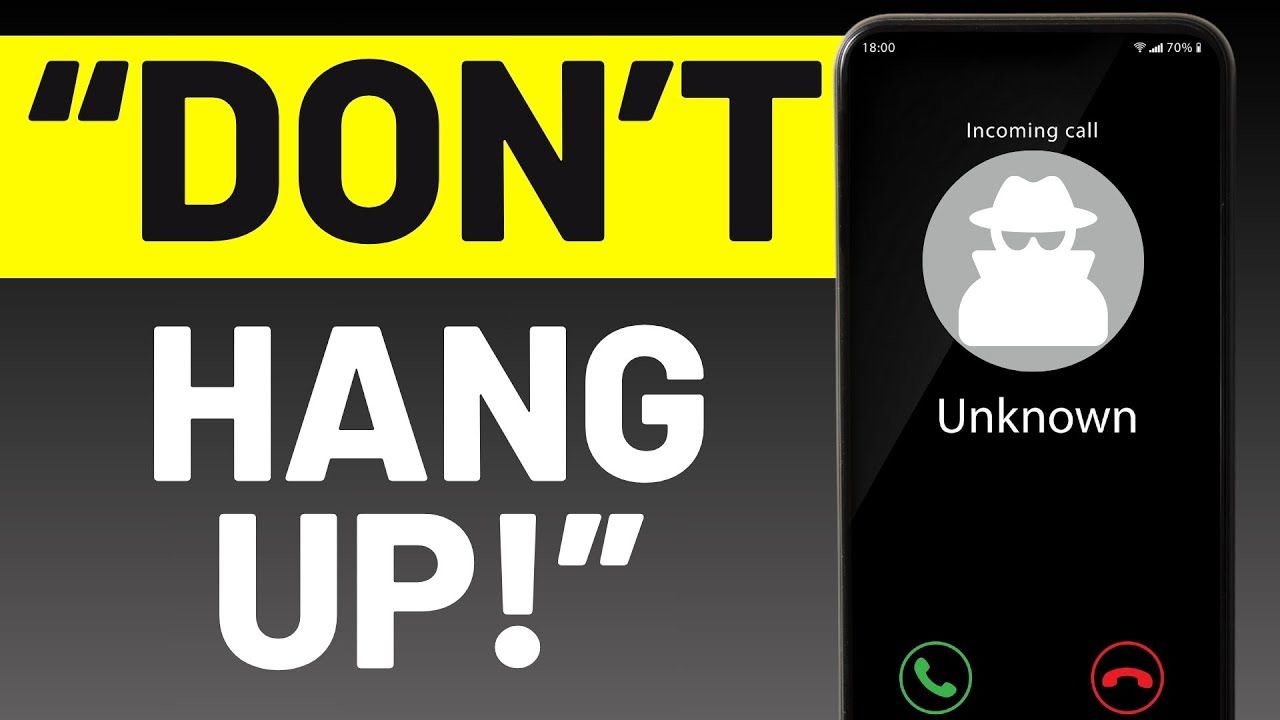
According to the FTC, there are certain phrases and instructions that should make you stop immediately.
Because scammers do not just lie.
They pressure you.
They isolate you.
They scare you.
They tell you exactly what to say.
They make normal people do things they would never do if they had 60 seconds to breathe and think clearly.
And that is the whole point.
Scammers know how to make you panic, doubt yourself, and follow orders without question. If you do not recognize the red flags, you can walk straight into a trap that drains your bank account, wrecks your credit, and leaves you wondering how it happened so fast.
The FTC’s latest data shows consumers reported $12.5 billion lost to fraud in 2024.
And one of the biggest surprises is that this is not just a “seniors only” problem. When age was reported, people ages 20 to 29 reported losing money in 44% of their fraud reports.
So if you think you are too young, too smart, or too careful to get scammed, that is exactly the confidence scammers love.
Quick Answer
Only scammers pressure you to act immediately, tell you not to trust anyone, coach you to lie to your bank, demand gift cards, send you to a Bitcoin ATM, or tell you to move money to “protect it.” Real banks, government agencies, police departments, and legitimate companies do not ask you to pay with gift cards, crypto, couriers, or secret cash withdrawals. If someone creates panic and tells you not to verify the story independently, stop immediately.
Why Scam Scripts Work
Most scams do not work because the victim is foolish.
They work because the scammer creates a fake emergency.
Then they keep the victim emotionally trapped inside that emergency long enough to steal the money.
That is why scam calls and messages often feel so intense.
They are designed to overload your brain.
A scammer may tell you:
-
Your child is in jail
-
Your bank account has been hacked
-
Your Social Security number was used in a crime
-
Your money is not safe
-
Police are coming
-
Your loved one is in danger
-
You must not tell anyone
-
You must stay on the phone
-
You must move fast
By the time your logical brain catches up, the scammer wants the money already gone.
So let’s go through the 10 biggest phrases and instructions that should set off alarm bells immediately.
1. “Act Now”
This is the classic urgency trap.
Scammers want you moving before you start thinking.
They might say:
-
“You’re being charged $500 unless you act now.”
-
“Your Social Security number has been suspended.”
-
“Your loved one is in jail.”
-
“There’s a warrant for your arrest.”
-
“Your bank account is compromised.”
-
“You have 30 minutes to fix this.”
The details change.
The pressure stays the same.
They want your heart racing.
They want your hands shaking.
They want you to skip the normal step that would kill the scam:
Verification.
Real companies may send alerts.
Real banks may contact you about fraud.
Real agencies may send official notices.
But scammers use panic to force immediate payment or action.
If the whole message is built around “do this right now or something terrible happens,” slow down.
That urgency is the red flag.
2. “Your Loved One Is in Trouble”
Family emergency scams are brutal because they attack the part of your brain that loves somebody.
A retired father named Anthony got a call that sounded like his son.
The voice said he had been in a horrible accident and needed help.
Then someone claiming to be a lawyer got on the phone.
The story escalated fast.
First, Anthony needed to withdraw money for bail.
Then the “lawyer” claimed the accident involved a pregnant woman.
Then the woman was supposedly in critical condition.
Then she had died.
Then the bail amount increased again.
Anthony was terrified.
He rushed to the bank, withdrew thousands of dollars, and eventually handed cash to a courier outside his home.
Later, when he called his real son, he learned the whole thing was fake.
That is how these scams work.
They do not give you a calm situation.
They give you a nightmare and demand action before you can check it.
3. “Only Say What I Tell You to Say”
This is one of the biggest red flags in the entire scam playbook.
If someone tells you what to say to your bank, your family, your accountant, or law enforcement, assume you are being scammed.
Scammers know banks have fraud controls.
If a teller sees an unusual cash withdrawal, they may ask questions like:
-
“What is this for?”
-
“Who told you to withdraw this money?”
-
“Are you sending this to someone?”
-
“Did someone tell you not to tell us?”
That is dangerous for the scammer.
So they coach you.
They may say:
-
“Tell the bank it’s for home repairs.”
-
“Tell them it’s for solar panels.”
-
“Do not mention bail.”
-
“Do not say you’re buying crypto.”
-
“Do not tell them I’m on the phone.”
-
“If they ask, say it’s for a gift.”
That instruction alone should stop everything.
A real bank, government agency, court, or lawyer does not need you to lie to your own bank.
If someone tells you to hide the real reason you are moving money, you are probably being used to bypass fraud protection.
4. “Don’t Trust Anyone”
Isolation is how scammers keep control.
The second you talk to a normal person, the scam can fall apart.
That is why scammers try to cut you off from everyone else.
They may say:
-
“Do not tell your family.”
-
“The bank teller is in on it.”
-
“Your spouse will not understand.”
-
“The police cannot be trusted.”
-
“If you tell anyone, you will make it worse.”
-
“Only I can help you.”
This is psychological control.
They are trying to trap you inside their version of reality.
And once you are isolated, they become the only voice you hear.
That is exactly what they want.
The fix is simple:
Hang up.
Step away.
Call someone you trust.
If the story is real, it will survive verification.
If it is a scam, verification kills it.
5. “Do This or You’ll Be Arrested”
Government and law enforcement impersonation scams work because most people do not want trouble.
The scammer may pretend to be:
-
Police
-
FBI
-
IRS
-
Social Security Administration
-
Court officials
-
Federal agents
-
Local sheriff’s office
Then they threaten you.
They might say:
-
“There is a warrant for your arrest.”
-
“Your Social Security number was linked to criminal activity.”
-
“You owe back taxes.”
-
“Your assets will be seized.”
-
“Police are coming unless you pay now.”
-
“Your loved one will stay in jail if you do not send money.”
That fear makes people obedient.
But here is the reality:
Government agencies and law enforcement do not demand instant payment by phone, gift cards, Bitcoin, wire transfer, cash courier, or payment apps.
If someone threatens immediate arrest unless you pay, it is a scam.
Stop the call.
Look up the agency yourself.
Call the official number directly.
6. “Don’t Hang Up”
Scammers want to keep you on the phone because the second you hang up, you might think clearly.
You might call your real bank.
You might call your child.
You might Google the scam.
You might talk to a spouse.
You might realize the whole thing makes no sense.
So they keep you engaged.
They may say:
-
“Stay on the phone while you withdraw the money.”
-
“If you hang up, the transaction will fail.”
-
“Do not talk to anyone else.”
-
“I’m the only one who can fix this.”
-
“If you end the call, we cannot help you.”
That is not customer service.
That is control.
A real bank will let you hang up and call the number on the back of your card.
A real government agency will not require you to stay on the phone while withdrawing cash.
A real company will not panic if you say, “I’m going to verify this independently.”
Scammers panic when you hang up because hanging up gives you power again.
7. “Move Your Money to Protect It”
This scam is everywhere now.
Someone pretends to be your bank, the FDIC, the Better Business Bureau, law enforcement, or a fraud department.
They claim your account is in danger.
Then they tell you the solution:
Move your money to a “safe” account.
That safe account is not safe.
It belongs to the scammer.
They may say:
-
“Your account has been hacked.”
-
“Move your money before it disappears.”
-
“Transfer your balance to a temporary safe account.”
-
“We need to protect your funds.”
-
“Withdraw everything now.”
Real banks do not tell you to move your money to protect it.
If there is fraud, your bank can freeze transactions, replace cards, restrict access, or open an investigation.
They do not need you to wire your own money to a stranger.
If someone tells you to move money to keep it safe, stop.
Call your bank using the number on the official website or the back of your card.
8. “Withdraw Cash and Hand It to a Courier”
This one sounds insane until you see how often it happens.
Scammers pretend to be lawyers, police, courthouse officials, fraud investigators, or bank employees.
Then they tell the victim to withdraw cash.
But instead of sending the victim to a real office, they send a courier.
Sometimes it is a random driver.
Sometimes it is a rideshare driver.
Sometimes it is someone pretending to be an official.
They may say:
-
“The courthouse does not accept direct payments.”
-
“A courier is coming to pick up the bail money.”
-
“An officer will collect the cash.”
-
“This is the fastest way to settle the issue.”
-
“Hand the envelope to the driver.”
No government agency, court, police department, or bank sends a random courier to collect cash from your house.
If someone tells you to withdraw cash and hand it to another person, you are not solving a problem.
You are probably handing your money to a scammer.
9. “Go to a Bitcoin ATM”
Bitcoin ATM scams have exploded because crypto transfers are fast, hard to reverse, and confusing for many victims.
Scammers may tell you:
-
“Your bank account is compromised.”
-
“Convert your cash to Bitcoin.”
-
“The IRS accepts Bitcoin now.”
-
“This is the safest way to protect your money.”
-
“I’ll send you the QR code.”
-
“Go to this specific ATM.”
The FTC has been very clear on this:
Only scammers tell you to use a Bitcoin ATM, buy gift cards, or move money to fix a problem.
A bank does not need you to use a Bitcoin ATM.
The IRS does not demand Bitcoin.
Police do not ask for crypto.
A legitimate company does not send you to a crypto kiosk to solve a billing issue.
Once crypto is sent, it is usually gone.
That is why scammers love it.
10. “Buy Gift Cards”
This is one of the oldest scam payment methods, and it still works.
Scammers love gift cards because they are easy to buy, easy to redeem, and hard to recover.
They may say:
-
“Buy Apple gift cards.”
-
“Buy Target gift cards.”
-
“Buy Google Play cards.”
-
“Buy prepaid Visa cards.”
-
“Read me the numbers on the back.”
-
“This is the only payment method we can accept.”
No real business, bank, government agency, utility company, court, or police department asks for gift cards as payment.
The moment someone asks for gift cards, the conversation is over.
Do not buy them.
Do not scratch them.
Do not read the codes.
Do not send photos.
Gift cards are for gifts.
Not emergencies, taxes, bail, bank fraud, tech support, or debt payments.
Why Scammers Tell You to Lie to Your Bank
This deserves its own section because it is that important.
Your bank may be the last line of defense before your money is gone.
Scammers know that.
So they try to make your bank useless by coaching you to lie.
They may give you a fake reason for the withdrawal.
They may tell you not to mention the person on the phone.
They may say the bank will block the transaction because they are part of the fraud.
That is all manipulation.
If your bank asks questions, answer honestly.
Tell them exactly what happened.
Say:
“Someone told me to withdraw this money.”
“Someone told me to send this through Bitcoin.”
“Someone told me to buy gift cards.”
“Someone told me not to tell you.”
Those sentences can save you.
A trained teller or fraud specialist may recognize the scam immediately.
What to Do If You Think You Are Being Scammed
If something feels off, do this:
-
Hang up or stop responding.
-
Do not send money.
-
Do not click links.
-
Do not buy gift cards.
-
Do not use a Bitcoin ATM.
-
Do not withdraw cash.
-
Call the real person, bank, or agency directly.
-
Talk to someone you trust.
-
Save screenshots, phone numbers, emails, and receipts.
-
Report the scam.
The scammer’s power comes from keeping you emotional, isolated, and rushed.
Take those three things away, and the scam gets much weaker.
What to Do If You Already Sent Money
Move fast.
If you already sent money, contact the payment provider immediately.
Call your bank.
Call your credit card issuer.
Call the gift card company.
Call the crypto platform if one was used.
File a police report if the loss was significant.
Report the scam to the FTC at ReportFraud.ftc.gov.
If your personal information was exposed, also consider placing fraud alerts or credit freezes with the major credit bureaus.
You may not recover the money.
But speed matters.
The faster you report it, the better your chance of stopping additional damage.
Helpful resource: If your identity or accounts were exposed, my Free Identity Theft Checklist can help you organize the next steps, including where to report fraud and how to protect your credit.
How to Protect Your Credit After a Scam
A scam does not only threaten your bank account.
It can threaten your credit too.
If a scammer got your Social Security number, date of birth, address, email, passwords, or account logins, they may try to open accounts in your name.
Here is what I would do:
-
Freeze your credit reports
-
Change important passwords
-
Turn on two-factor authentication
-
Review bank and card transactions
-
Check all three credit reports
-
Dispute accounts you do not recognize
-
Report identity theft at IdentityTheft.gov
-
Watch for new collection accounts
-
Monitor email and phone number changes on accounts
Do not wait until the damage shows up.
If your information is out there, act early.
Frequently Asked Questions
What are the biggest scam red flags?
The biggest red flags are urgency, secrecy, threats, unusual payment methods, and instructions to lie. If someone tells you to act now, stay on the phone, move money, buy gift cards, use a Bitcoin ATM, or hide the truth from your bank, assume it is a scam.
Do banks ask you to move money to protect it?
No. Real banks do not ask you to transfer money to a “safe account” to protect it. If there is real fraud, the bank can freeze suspicious activity, replace cards, restrict access, or investigate.
Do government agencies ask for gift cards or Bitcoin?
No. Government agencies do not demand gift cards, Bitcoin, crypto transfers, wire transfers, or cash courier pickups. If someone claiming to be the IRS, police, FBI, or Social Security asks for those payment methods, it is a scam.
What should I do if a scammer tells me not to hang up?
Hang up anyway. Then contact the real person, company, bank, or agency using an official phone number. Scammers tell you not to hang up because they do not want you to verify the story.
Can I get my money back after a scam?
Sometimes, but not always. It depends on the payment method, how fast you report it, and whether the funds can be stopped. Contact your bank, credit card issuer, gift card company, payment app, or crypto platform immediately.
How do I report a scam?
You can report scams to the FTC at ReportFraud.ftc.gov. If your identity was stolen, you can also use IdentityTheft.gov to create a recovery plan. For major losses, you may also want to file a police report.
Conclusion
Scammers do not need you to be careless forever.
They only need you to panic once.
One call.
One fake emergency.
One cash withdrawal.
One gift card code.
One Bitcoin ATM.
One “safe account” transfer.
That is all it takes.
So remember the pattern.
If someone pressures you, isolates you, threatens you, tells you to lie, or demands a strange payment method, stop.
Real banks do not need secrecy.
Real police do not need gift cards.
Real government agencies do not need Bitcoin.
Real family emergencies can be verified.
And real problems do not disappear just because a stranger on the phone told you to rush.
Slow down.
Verify everything.
Protect your money.
Protect your credit.
And never let a scammer turn your fear into their payday.