
Capital One Is Absorbing Discover: What Customers Should Watch Next
Jun 27, 2026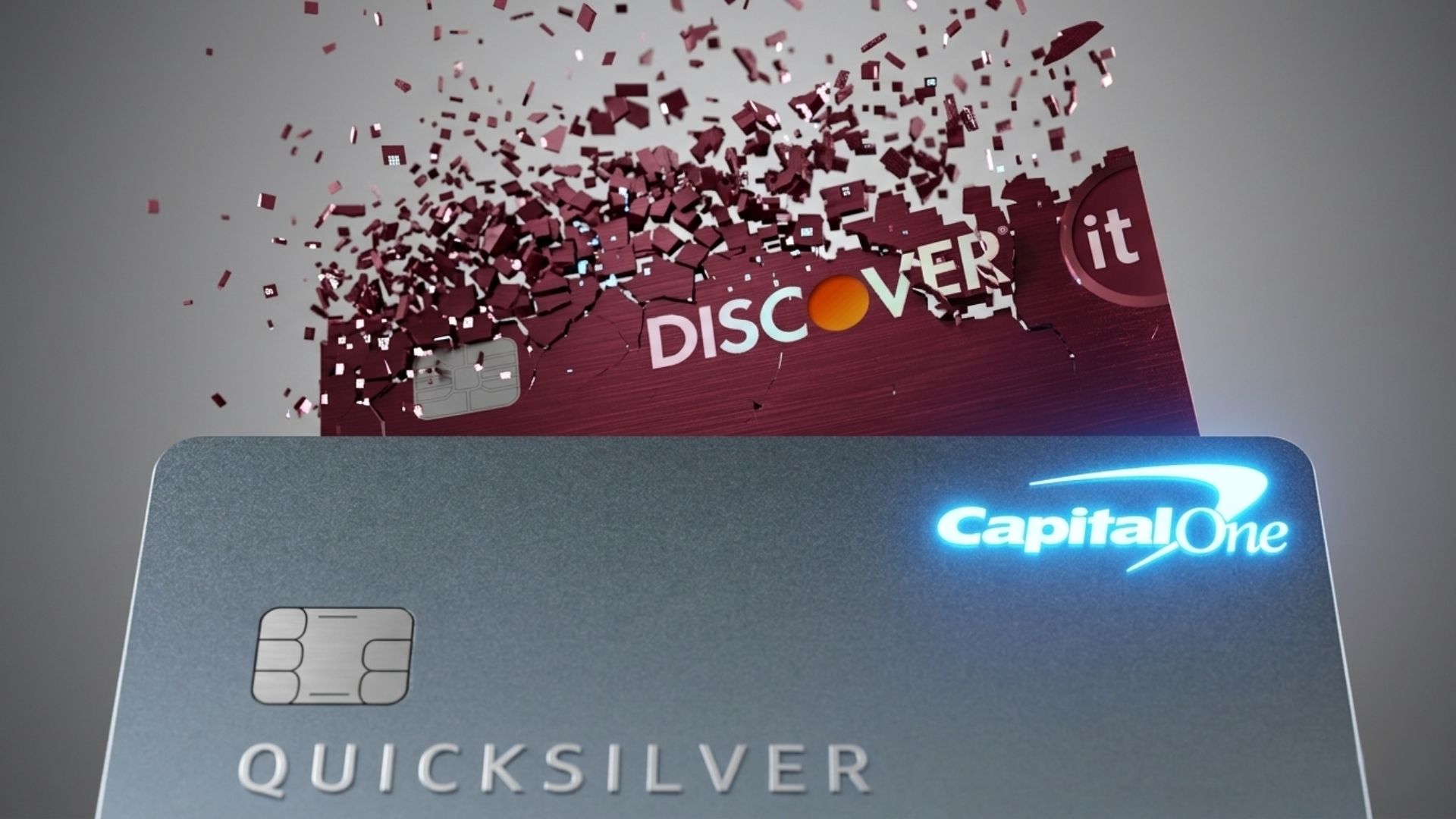
Capital One is slowly making Discover feel less like its own company and more like another part of the Capital One machine.
And for a lot of longtime Discover customers, this is starting to feel real now.
At first, the Capital One and Discover merger felt like a giant Wall Street headline most people could ignore.
Big bank buys another big bank.
Regulators approve it.
Executives release statements.
Investors react.
Then normal people move on.
But now customers are starting to see the actual changes.
The branding is changing.
The app experience is changing.
Debit cards are changing.
Discover customers are being pulled into Capital One’s system.
And the bigger question is starting to become harder to ignore:
What happens to the Discover brand long term?
Disclosure: This article may contain affiliate links, which means I may earn compensation if you click or apply through certain links.
Quick Answer
Capital One completed its acquisition of Discover, and the merger is now starting to show up in the customer experience. Discover customers are beginning to see account-management changes, branding changes, and a deeper move into Capital One’s app and banking ecosystem. Capital One has not announced that the Discover payment network is going away, but the long-term future of the Discover brand is now a real question customers are paying attention to.
The Capital One and Discover Merger Is Starting to Feel Real
For months, this merger felt distant.
It was easy to think:
“Okay, Capital One bought Discover. So what?”
But now we are starting to see the real-world transition.
This does not feel like two separate companies sitting side by side anymore.
It feels like Capital One is absorbing Discover piece by piece.
First the company.
Then the banking experience.
Then the app.
Then the cards.
And eventually, maybe even the network identity itself.
That last part is speculation for now.
Capital One has not said it is killing the Discover network name.
But it is hard to ignore the direction of travel.
Capital One did not buy Discover only for the credit card customers.
It bought Discover for the payment network too.
That is the part I think people need to pay more attention to.
Why the Discover Payment Network Matters
Most banks issue cards on networks they do not own.
A Chase card may run on Visa.
A Citi card may run on Mastercard.
A Capital One card may run on Visa, Mastercard, or now potentially Discover.
But Discover is different because it has its own payment network.
That means Discover is not just a credit card issuer.
It is also part of the payment rails.
That is valuable.
Owning a network gives Capital One more control over transaction processing, network economics, merchant acceptance strategy, and future payment technology.
So when Capital One bought Discover, it was not just buying a card portfolio.
It was buying infrastructure.
And long term, that infrastructure may matter more than the Discover credit cards themselves.
Some Customers Are Already Feeling the Pain
Some customers are already frustrated with Capital One debit cards moving onto the Discover network.
The complaints are pretty simple.
People say certain places that used to accept their card suddenly do not.
Some examples people have mentioned include:
-
Food trucks
-
Coffee trucks
-
Certain post office services
-
CBD shops
-
Subscription services
-
Chime reloads
-
Cash App transactions
Now, to be fair, this can be more complicated than saying “Discover is not accepted.”
Merchants may treat debit, credit, prepaid, reloads, online subscriptions, and payment network routing differently.
So I would not automatically say Discover acceptance is falling apart.
Discover acceptance in the U.S. is much stronger than many people think.
But the frustration is real.
And this is the part Capital One has to be careful with.
Because customers do not care about payment network strategy when they are standing at a coffee truck and their card gets declined.
They do not care about interchange economics when a subscription payment fails.
They do not care that the merger makes sense on a spreadsheet.
They only know one thing:
The old card worked.
The new one did not.
Why Customer Perception Matters
Payment networks are partly about acceptance.
But they are also about trust.
If customers start feeling like their card is less reliable, that becomes a problem even if the technical acceptance rate is high.
One declined transaction can create a memory.
One failed payment can make someone change their default card.
One embarrassing moment at checkout can make someone move money to another bank.
That is why this transition is delicate.
Capital One may have a long-term business reason for moving more transactions onto the Discover network.
But customers judge the experience in real time.
If the card works, they move on.
If it fails, they remember.
The Discover Sign Coming Down Hit People Differently
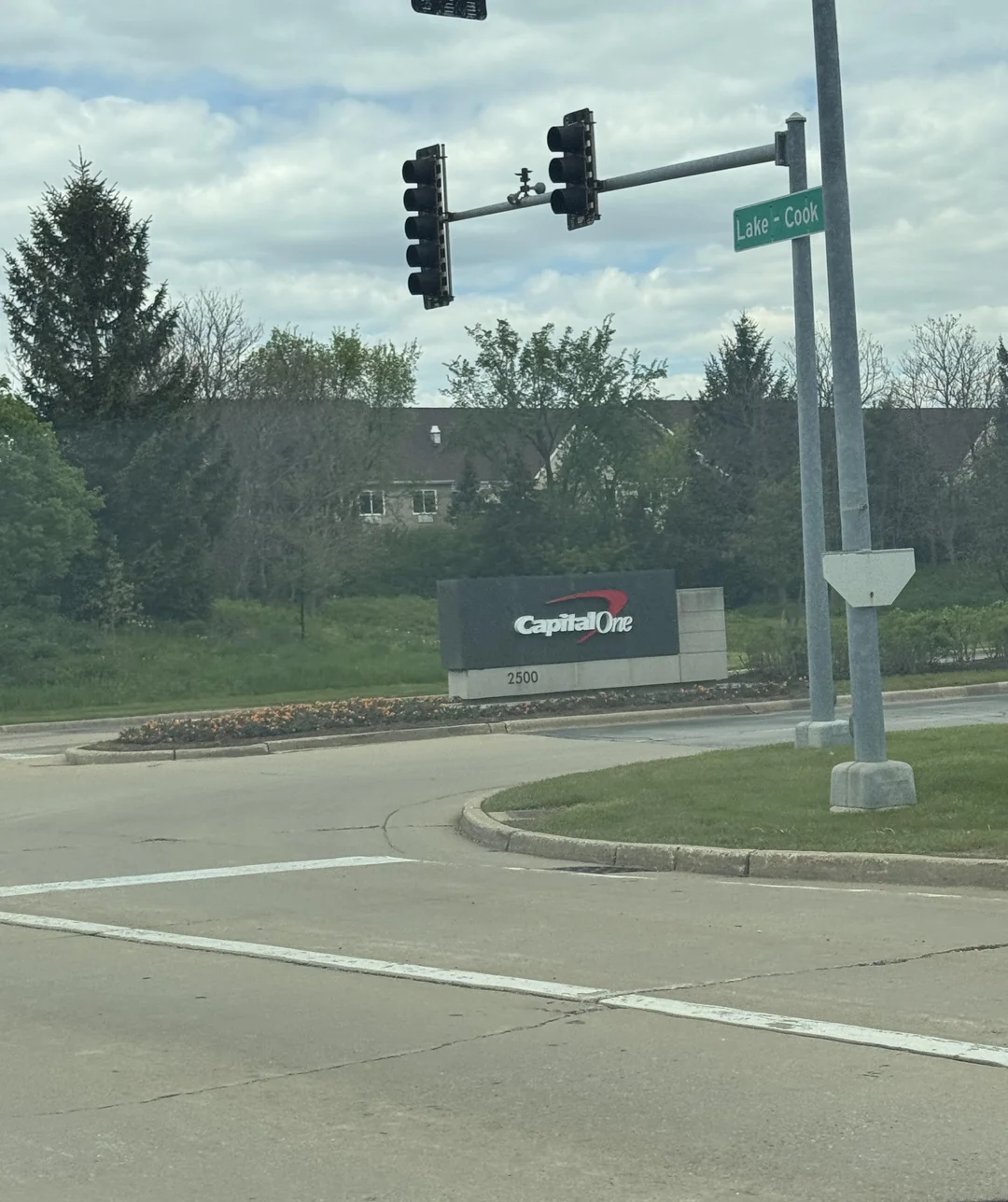
One of the more emotional moments came from posts showing Discover’s headquarters signage in Illinois being replaced with Capital One branding.
Some people may look at that and say:
“Who cares? It is just a sign.”
But for longtime Discover customers, it felt bigger than that.
Discover is not some random fintech startup that launched a few years ago.
Discover has been around for decades.
For many people, Discover was:
-
Their first credit card
-
Their rebuilding card
-
Their student card
-
Their simple cashback card
-
Their favorite customer service experience
Discover had a different reputation from the giant banks.
A lot of people liked that.
So when people saw Discover branding come down and Capital One branding go up, it felt symbolic.
It felt like Discover was being erased in public.
That may sound dramatic.
But brand loyalty is emotional.
People do not like feeling like they signed up for one company and woke up inside another one.
Discover Customers Are Being Moved Into Capital One’s System
Another major change is happening with the app and website experience.
Some Discover customers are receiving notices that their Discover accounts will be managed through the Capital One app and website starting July 27, 2026.
That is a huge “this is real now” moment.
Because once your Discover card lives inside the Capital One app, the experience starts feeling less like Discover.
Even if the card still says Discover.
Even if the rewards still work.
Even if the account number stays the same.
The customer relationship is changing.
And that raises a lot of questions.
Questions Discover Customers Are Asking
Discover customers are already wondering:
-
Will the 5% rotating categories stay?
-
Will cashback rewards stay separate?
-
Will Discover rewards ever convert into Capital One miles?
-
Will credit limit increases become harder?
-
Will Capital One treat Discover customers the same way Discover did?
-
Will customer service change?
-
Will underwriting change?
-
Will the app experience get better or worse?
Those are fair questions.
Because Discover and Capital One have very different reputations.
Discover has often been viewed as simple, friendly, and easier to deal with.
Capital One has a reputation for being more algorithm-driven, more automated, and sometimes stingier with credit limit growth depending on the account.
So even if nothing bad happens immediately, customers are nervous.
They are not just reacting to one app change.
They are reacting to the possibility that the whole Discover experience may change over time.
Will the Discover Network Become the Capital One Network?
Now let’s talk about the bigger question.
Could the Discover payment network eventually become the Capital One network?
To be clear, Capital One has not announced that.
And I do not think they can just wake up tomorrow and erase the Discover network name.
That would be a massive project.
You would be talking about:
-
Merchant acceptance
-
Payment terminals
-
Online checkout pages
-
International acceptance
-
Card agreements
-
Consumer trust
-
Payment processor relationships
-
Decades of brand recognition
-
All those checkout logos that say Visa, Mastercard, Amex, and Discover
That does not change with one press release.
But long term?
I think it is a question worth asking.
Capital One bought one of the only major card networks in America.
It is hard for me to believe they bought all of that infrastructure just to build someone else’s brand forever.
Maybe the Discover name stays.
Maybe it becomes “Discover by Capital One.”
Maybe the network remains Discover publicly while Capital One uses it more heavily behind the scenes.
Or maybe, years from now, Capital One wants its own name on the network.
We do not know yet.
But the question is no longer crazy.
Why the App Migration and Branding Changes Matter
A sign change by itself does not tell the whole story.
An app migration by itself does not tell the whole story.
A debit card network change by itself does not tell the whole story.
But together, they show the direction.
Discover is being brought under the Capital One umbrella.
That does not mean every change will be bad.
Some changes may improve the experience.
Capital One may invest in technology, app features, network growth, and payment acceptance.
But customers are not wrong to pay attention.
Because once a merger gets this far, the old company rarely stays exactly the same.
Should Discover Customers Move Their Money?
I would not panic.
If your Discover account still works, your rewards are still posting, your payments are smooth, and you are happy with the experience, there may be no urgent reason to make a dramatic move.
But I do think it is smart to have a backup plan.
That means:
-
Keep another credit card available
-
Have another debit card on a different network
-
Do not rely on one bank for everything
-
Watch official emails carefully
-
Track any reward changes
-
Pay attention to card acceptance
-
Monitor the app migration experience
This is basic financial protection.
You do not want to discover a problem when you are standing at checkout with one card and no backup.
What I Would Watch Next
The next phase of this merger will probably tell us more than the original announcement did.
I would watch:
-
Discover app and website migration
-
Capital One app experience for Discover accounts
-
Changes to Discover cashback rewards
-
Changes to rotating 5% categories
-
Credit limit increase behavior
-
Customer service quality
-
New debit card acceptance complaints
-
Whether more Capital One cards move to Discover rails
-
Whether Capital One starts changing Discover branding more aggressively
That is where the real story is.
Not in the original press release.
In the day-to-day experience customers actually live with.
Helpful Resource for Backup Cards
If all these changes make you want to compare backup credit cards before applying blindly, my Free Credit Card & Loan Pre-Approval Master List can help you find cards and lenders that may let you check your odds before taking a hard pull:
https://courses.calbartoncashback.com/pre-approval-master-list-Blog
Frequently Asked Questions
Is Discover now owned by Capital One?
Yes. Capital One completed its acquisition of Discover, and Discover is now part of Capital One.
Are Discover customers being moved to the Capital One app?
Some Discover customers are being told their accounts will be managed through the Capital One app and website starting July 27, 2026. The rollout may not affect every customer at the same time.
Is the Discover payment network going away?
Capital One has not announced that the Discover payment network is going away. Any claim that the network will be renamed or eliminated is speculation for now.
Why are some Capital One debit cards moving to Discover?
Capital One now owns the Discover network, so moving more card activity onto that network could help Capital One control more of the payment process. However, some customers have raised concerns about acceptance in certain situations.
Will Discover 5% cashback categories stay?
For now, Discover’s core cashback structure has not been completely erased. But customers should keep watching official communications because card features can change over time after large mergers.
Should I keep my Discover card?
If your Discover card still fits your spending and the rewards still work for you, there may be no reason to rush and close it. But it is smart to keep backup cards on other networks, especially if you travel or rely heavily on one payment method.
Final Thoughts
The Capital One and Discover merger is no longer just a corporate headline.
It is starting to show up in real customer experiences.
Signs are changing.
Apps are changing.
Debit cards are changing.
Account management is changing.
And customers are starting to wonder what Discover will look like after Capital One finishes integrating it.
Some of the fears may be overblown.
But the concern is understandable.
People liked Discover because it felt different.
And now it is being pulled into one of the biggest credit card machines in the country.
The big question is not whether Capital One owns Discover.
That already happened.
The real question is how much of Discover’s identity survives the integration.
And that is what I will be watching closely.