
Capital One Discover Changes: What Cardholders Need to Know
Jun 25, 2026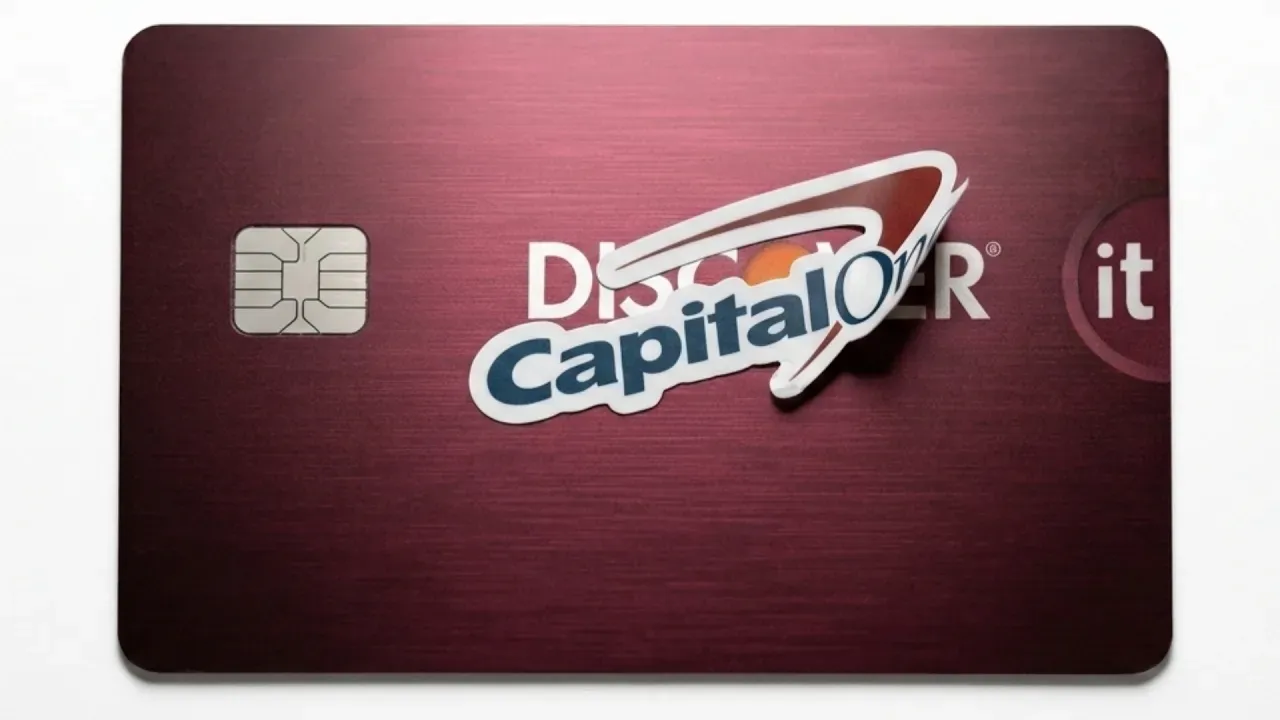
Capital One is officially starting to make real changes to Discover cards.
And honestly, some of the updates are better than I expected.
But some of them are annoying.
If you have a Discover card, the big questions are pretty obvious:
Will your account history stay intact?
Will your card show up as a brand-new account?
Are the 5% categories going away?
Will your credit limit stay the same?
And once Capital One fully controls the account, will Discover cards start acting more like Capital One cards?
That last question may end up being the biggest one long term.
Disclosure: This article may contain affiliate links, which means I may earn compensation if you click or apply through certain links.
Quick Answer
Capital One is moving Discover credit card accounts into its own app, website, and account system in waves. The good news is that key Discover features like the 5% rotating categories, Cashback Match, and current rewards rates are expected to stay for now. But Discover cardholders may need to set up Capital One access, re-enroll in certain reward preferences, update authorized user card numbers, and watch what happens to credit limits once Capital One’s underwriting systems fully take over.
The Good News About Your Credit Report
This is probably the first thing a lot of Discover cardholders are worried about.
According to the transition information, this migration is not supposed to report like a brand-new account on your credit report.
Your original account open date is expected to stay the same.
That matters.
Because if the transition reported like a new account, it could create problems like:
-
A lower average age of accounts
-
A possible temporary credit score dip
-
Confusion on your credit report
-
A new tradeline instead of your original account history
But this does not appear to be that type of situation.
This is more like an internal migration than a brand-new credit account.
That is good news for Discover cardholders who have had their cards for years and care about account age.
Your Credit Limit Should Stay the Same for Now
Capital One has also indicated that existing Discover credit limits should remain the same during the transition.
That is also good news.
But there is one part I still think people should pay attention to.
Capital One also reserves the right to increase or decrease credit limits at any time.
Now to be fair, banks always technically reserve that right.
That is normal.
But I still think this matters because Discover and Capital One have historically had very different reputations when it comes to:
-
Credit limit increases
-
Credit line reviews
-
Bucketed accounts
-
Internal risk models
-
Automated underwriting
-
Account behavior after approval
That is why I think credit limits are one of the biggest long-term questions in this entire merger.
The transition itself may not lower your limit.
But what happens after Capital One fully controls the account?
That is what I’ll be watching.
Helpful resource: If you are comparing cards and want to avoid applying blindly, my Free Credit Card & Loan Pre-Approval Master List can help you find cards that may let you check your odds before a hard pull: https://courses.calbartoncashback.com/pre-approval-master-list-Blog
The 5% Categories Are Staying
This was another major concern.
A lot of Discover it Cash Back users were worried Capital One would immediately kill the rotating 5% cashback categories.
But for now, those categories are staying.
That is a big deal because the 5% categories are one of the main reasons people keep the Discover it Cash Back card.
Discover’s rotating categories can be valuable when they line up with your spending.
And on top of that, Cashback Match is also expected to stay for now.
So at least during the early stage of this transition, Capital One seems careful not to blow up the parts of Discover that people actually like.
That is smart.
Because if Capital One immediately killed the 5% categories or Cashback Match, Discover users would probably lose their minds.
Discover Users Are Moving Into Capital One’s Ecosystem
This is where the transition starts to get more interesting.
Discover cardholders are being pulled into the Capital One ecosystem.
That means access to things like:
-
Capital One Offers
-
Capital One Travel
-
Capital One Entertainment
-
Capital One’s app and website
-
Virtual card numbers
-
More Capital One account tools
Some of these features are real upgrades.
Especially virtual card numbers.
That is one of those features people do not care about until they use it once.
Being able to generate virtual or temporary card numbers can be useful for:
-
Subscriptions
-
Online shopping
-
Free trials
-
Random websites
-
Merchants you do not fully trust
-
Reducing card number exposure
That is a legitimate benefit.
And if Discover cardholders are gaining access to more Capital One rewards and shopping tools, that could make some Discover cards more useful than they were before.
Some Features Are Going Away
Now here is the annoying part.
Some Discover features are going away or changing.
One feature being removed is Pay with Rewards through Apple Pay.
Some cardholders may also need to re-enroll in certain redemption preferences after the migration.
That includes things like automatic statement credit preferences or certain Pay with Rewards setups.
And if you use your Discover card with third-party apps, you may need to reconnect accounts after the transition.
That could include apps like:
-
Venmo
-
Acorns
-
Robinhood
-
Budgeting apps
-
Fintech apps
-
Payment apps
-
Subscription services
These may sound like small details.
But they show how deep this migration really is.
This is not just Capital One putting its name next to Discover.
Accounts are actually being moved into a different operating system.
And when that happens, little things can break.
Authorized Users May Get New Card Numbers
One small detail a lot of people may miss is what happens to authorized users.
Primary cardholders are expected to keep their existing card number.
But authorized users and joint account holders may receive new card numbers.
That matters because those card numbers may be saved in different places.
For example:
-
Streaming subscriptions
-
Utility bills
-
Online shopping accounts
-
Food delivery apps
-
Digital wallets
-
Recurring payments
-
Business tools
So if you have authorized users on your Discover card, do not assume everything will keep working automatically.
Once the transition happens, you may need to update stored payment methods tied to those authorized user cards.
Discover Rewards and Capital One Rewards Are Still Separate
This is where Team Travel is probably paying close attention.
Right now, Discover rewards and Capital One rewards are expected to remain separate.
That means Discover cashback and Discover miles are not suddenly becoming Capital One miles.
At least not right now.
And that matters because Capital One miles can be valuable for people who know how to use transfer partners.
Discover, on the other hand, has historically been more of a cashback and simple rewards ecosystem.
So the big question is:
Will Discover rewards ever become transferable into Capital One miles?
If that ever happens, things could get very interesting.
Imagine stacking:
-
Discover’s rotating 5% categories
-
Cashback Match
-
Capital One Travel tools
-
Capital One Offers
-
Potential travel transfer value
That would completely change how some people value Discover cards.
But for now, that is not what is being offered.
Right now, Discover rewards and Capital One rewards are still separate.
Why This Transition Matters Long Term
The headline is not just that Discover cardholders are getting a new app experience.
The bigger story is that Discover is slowly becoming part of the Capital One machine.
That does not automatically mean everything gets worse.
Some features may improve.
Capital One has a strong app, useful virtual card numbers, Capital One Offers, Capital One Travel, and a much bigger ecosystem.
But Discover had its own identity.
Discover was known for:
-
Simple cashback
-
Strong customer service reputation
-
Generous credit limit behavior for some users
-
Rotating 5% categories
-
Cashback Match
-
Straightforward card products
Capital One is different.
Capital One has its own risk models, approval behavior, bucketed account reputation, credit limit policies, and underwriting style.
That is why I am less worried about the first phase of the transition and more interested in what happens later.
Because the first phase is about keeping customers calm.
The long-term phase is where we find out how much Discover really changes.
What Discover Cardholders Should Do Now
If you have a Discover card, I would not panic.
But I would pay attention.
Here are a few things I’d do:
-
Watch for official mail or email from Capital One or Discover
-
Save screenshots of your current credit limit and account details
-
Confirm your account open date after the migration
-
Check your credit reports after the transition
-
Review your rewards balance
-
Re-enroll in any automatic redemption settings if needed
-
Update authorized user card numbers where necessary
-
Reconnect third-party apps if they stop syncing
-
Track whether your credit limit changes over time
The most important thing is to document what your account looked like before and after the move.
That way, if something changes, you actually know what changed.
Frequently Asked Questions
Will my Discover card become a brand-new account on my credit report?
The transition is not expected to report as a brand-new account. Your original account open date is expected to stay the same, which is important for people who care about account age and credit history.
Will my Discover credit limit change?
Existing Discover credit limits are expected to stay the same during the transition. But like any card issuer, Capital One can still increase or decrease limits over time based on account behavior, risk models, and underwriting.
Are Discover’s 5% rotating categories going away?
For now, the 5% rotating categories are staying. That is important because the Discover it Cash Back card’s rotating 5% categories are one of its main selling points.
Is Cashback Match staying?
Cashback Match is expected to stay for now. That means new cardholders should still pay attention to how Cashback Match works after the account is fully managed through Capital One.
Will Discover rewards become Capital One miles?
Not right now. Discover rewards and Capital One rewards are expected to remain separate. If that changes in the future, it could dramatically change how some people value Discover cards.
Will authorized users get new card numbers?
Primary cardholders are expected to keep their existing card number, but authorized users and joint account holders may receive new card numbers. That means saved payment methods tied to those authorized user cards may need to be updated.
Final Thoughts
Overall, the Discover transition is not all bad.
The 5% categories are staying.
Cashback Match is staying.
Your account history is expected to remain intact.
Your credit limit is expected to stay the same for now.
And Discover cardholders are gaining access to more Capital One tools.
That is the good news.
But the long-term question is bigger than the first wave of changes.
The real question is what Discover cards look like once Capital One’s systems, rewards strategy, risk models, and credit limit behavior fully take over.
That is where things could get interesting.
For now, I would not rush to cancel a Discover card just because of the merger.
But I would definitely watch the account closely.
Because this transition may be smooth on paper, but the real story will be what happens after Capital One has full control.