
When Is the Best Time to Ask for a Credit Limit Increase?
Jun 29, 2026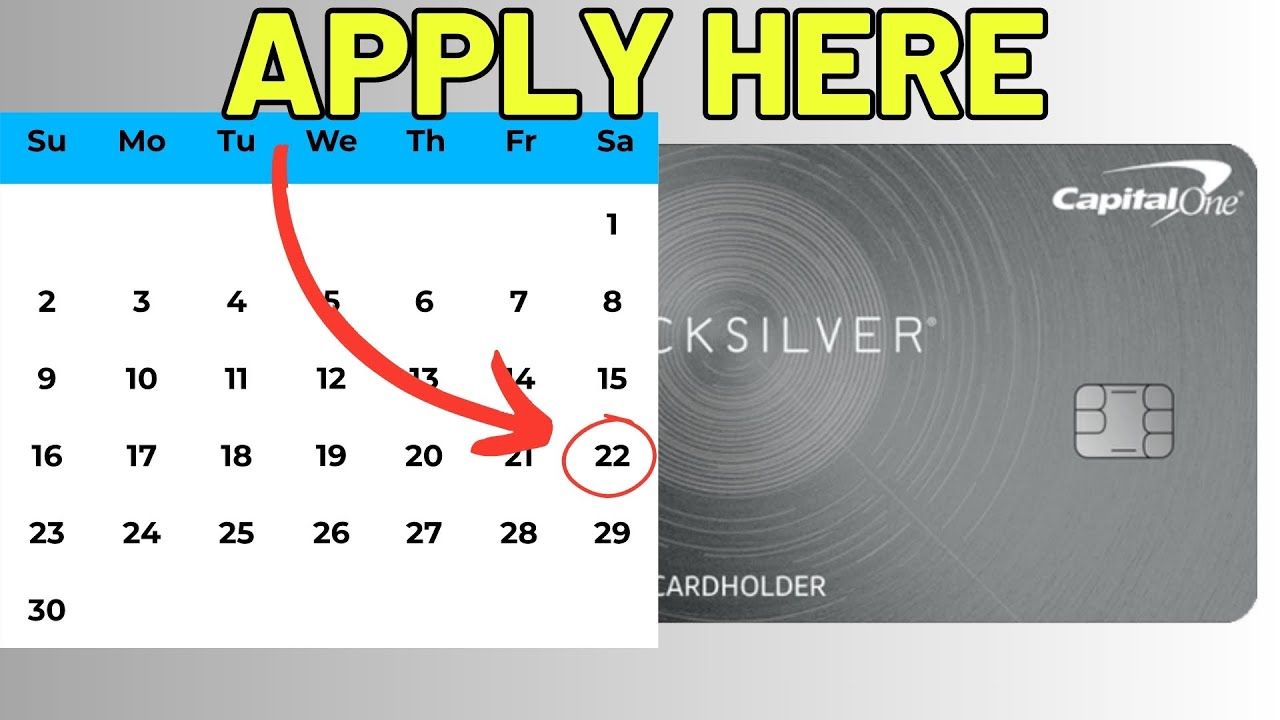
Trying to figure out the best time to ask for a credit limit increase can feel way more stressful than it should.
Banks rarely give clear rules. They do not always tell you when you are eligible. And in some cases, you can get hit with a hard credit pull just for asking.
That is insane.
A credit limit increase can help your credit utilization, give you more spending power, and make your credit profile look stronger. But if you request it at the wrong time, with the wrong bank, or through the wrong method, you could end up with a hard inquiry and a denial.
So the goal is simple: ask at the right time, with the right bank, using the safest method possible.
Disclosure: This article may contain affiliate links, which means I may earn compensation if you click or apply through certain links.
Quick Answer
The best time to ask for a credit limit increase is usually after 3 to 6 billing statements, with 6 months being the safer sweet spot for most banks. Some issuers, like American Express, may approve increases around the 3-month mark, while many banks and credit unions prefer closer to 6 months between increases. Always check whether the request will be a soft pull or hard pull before submitting, because some banks may hard pull depending on how you ask.
Avoid Credit Limit Increase Requests That Trigger Hard Pulls
Before you ask for more credit, you need to know one thing:
Will the bank do a hard pull?
That is the whole game.
A hard pull is not always the end of the world, but you do not want to burn a hard inquiry just to get denied for a credit limit increase. That is especially true if you have a thin credit profile, newer accounts, or several recent inquiries.
Some banks and credit unions are known for being more aggressive with hard pulls on manual credit limit increase requests.
Navy Federal Credit Union
Navy Federal is one of the biggest examples.
Based on user data points, calling customer service to request a credit limit increase with Navy Federal can often trigger a hard pull. But if Navy Federal gives you an automatic increase, or if you request through the app or online, many people report it as a soft pull.
That is what makes this so confusing.
It is not just about the bank. It can also depend on how you ask.
Phone call? Higher risk.
App or online request? Often safer, based on data points.
PenFed Credit Union
PenFed can also be tricky.
PenFed may hard pull your personal credit if you manually ask for a credit limit increase. But if you receive one of their quarterly offers and accept it, that may be handled differently.
That means timing matters.
If PenFed is already offering you more credit, that is usually a much better position than trying to force the increase yourself.
U.S. Bank
U.S. Bank is another one to watch.
From my experience, U.S. Bank is one of the most conservative large credit card issuers. It also behaves more like a relationship bank than many people expect.
If you manually request a credit limit increase with U.S. Bank, it may result in a hard pull. But if U.S. Bank gives you an automatic increase or sends you an offer, that is usually the safer route.
With U.S. Bank, relationship matters. Deposits, usage, time, and account history can all make a difference.
Chase Has Improved
Chase used to be more difficult with credit limit increases. But Chase has improved over the last couple of years.
Now, Chase customers may see pre-approved offers in the “Just for You” section and may also have access to credit limit increase requests through the app.
That does not mean every Chase request is guaranteed to be a soft pull, approved, or worth doing. But Chase has definitely become more user-friendly compared to how it used to be.
Helpful resource: Before applying for new cards or taking unnecessary hard pulls, you can use my Free Credit Card & Loan Pre-Approval Master List to compare cards that may offer pre-approval without a hard credit pull.
Hard Pull Warning Signs to Watch For
Before you submit a credit limit increase request, read the wording carefully.
Certain phrases can signal that the bank may access your full credit report and trigger a hard inquiry.
Watch for language like:
-
Credit check
-
Review your credit report
-
Detailed credit evaluation
-
May impact your score
-
Full credit report access
-
Consent to obtain your credit report
When you see language like that, slow down.
That does not always mean a hard pull is guaranteed, but it is enough of a warning sign that you should think twice before submitting the request.
A soft pull credit limit increase is usually worth attempting if your profile is in good shape. A hard pull credit limit increase should be treated more like a new credit application.
Can You Ask for a Credit Limit Increase Before Activating the Card?
Most people do not know this, but in some cases you can request a credit limit increase before you even receive or activate the card.
There are data points of people doing exactly that.
One person was approved for a Citi Double Cash card with a $6,000 limit. Before receiving the card in the mail, they requested a credit limit increase, took a hard pull, asked for $16,000, and received a new limit of $13,700.
Another person was approved for Alphaeon Credit with a $3,500 limit. The same day, they requested a credit limit increase and were approved for $4,250. A few days later, before even receiving the card, they requested again and were approved for $6,000.
That is wild.
But here is the warning: I would avoid taking that risk if the request requires a hard pull.
If it is a soft pull, taking an early shot may make sense. If it is a hard pull, your approval odds may not be worth the inquiry, especially right after the bank already approved you.
The Best Time for Your First Credit Limit Increase
If you cannot safely request a credit limit increase right away, the next best move is usually to wait until at least 3 billing statements have posted.
That means you let 3 monthly bills come out before asking.
Your statement usually becomes available 1 to 2 days after your billing cycle closing date. You can find that date near the top of your credit card statement.
For example, if your billing cycle closes on the 22nd of every month, your statement may post around the 23rd or 24th.
That matters because many banks want to see actual statement history before giving you more credit.
They want to see:
-
How much you use the card
-
Whether you pay on time
-
Whether you carry balances
-
Whether your income supports more credit
-
Whether your credit profile has changed
-
Whether your current limit is too low for your spending
After reviewing 100+ credit limit increase data points, American Express stood out as one of the most reliable issuers for increases around the 3-month mark.
One data point involved an American Express Blue Cash Preferred card approved in January 2024 with a $1,000 limit. The cardholder tried around 61 days and was denied, then tried again in April 2024 and was approved for a 3X increase to $3,000.
That lines up with the common Amex strategy: wait around 90 days, then request up to 3X your current limit.
For most other banks, the first credit limit increase often takes closer to 6 months.
The Best Time for Follow-Up Credit Limit Increases
After your first credit limit increase, the next question is obvious:
How long do you wait before asking again?
Across many banks, 6 months is still the sweet spot.
Some issuers may approve faster. Some may require longer. But if you want a safer general rule, waiting 6 months gives the bank more history and lowers your chance of looking desperate for credit.
That said, a few banks may allow faster follow-up increases.
Discover May Allow Faster Credit Limit Increases
Discover is one of the more interesting issuers when it comes to follow-up credit limit increases.
Some data points show Discover approving increases as fast as 30 days after the previous increase.
The key seems to be usage.
Discover appears to like consistent card activity. Some cardholders report better results when they use a large percentage of the limit, let the balance report on the statement, and then pay it off in full.
One person reported going from $2,250 to $4,000, then from $4,000 to $6,000 in back-to-back months. They used the card heavily, let the statement report, waited about two weeks, and then paid it off in full.
That person did two things I like:
-
They let usage report after the billing cycle closed.
-
They requested the increase after the statement posted.
That is the kind of timing that can matter.
But do not confuse high usage with carrying debt.
The strategy is not to pay interest.
The strategy is to show the bank you can use the card heavily and pay it back responsibly.
Navy Federal Often Works Better Around 6 Months
Navy Federal is a different animal.
A lot of Navy Federal users follow a more conservative timeline of roughly 190+ days and 6 statements between credit limit increase requests.
One strong data point involved a Navy Federal Flagship card that started at $10,000 and grew to $66,000 through repeated credit limit increases.
The cardholder’s history looked like this:
-
January 2020: $10,000 starting limit
-
May 2020: increased to $18,000
-
November 2020: increased to $22,000
-
May 2021: increased to $26,000
-
December 2021: increased to $34,000
-
June 2022: increased to $42,000
-
January 2023: increased to $50,000
-
July 2023: increased to $58,000
-
February 2024: increased to $66,000
That is not random.
That is a system.
They waited around 190+ days, requested online, and kept stacking increases over time.
That is how you go from a decent limit to a monster limit without trying to force everything at once.
Capital One Often Likes 6-Month Spacing Too
Capital One can be frustrating with credit limit increases.
Some people get tiny increases for years. Others eventually get big jumps once Capital One sees enough usage, history, or profile improvement.
One data point started with a $1,000 limit. The cardholder requested increases over time and only received $100 increases at first. Then Capital One became much more generous, eventually giving a $2,500 increase, then a $7,000 increase, and later offering a $20,000 increase after another 6-month wait.
The new limit became $30,800.
That is why I do not like judging a bank from one small increase.
Sometimes the first increase is weak. Sometimes the bank is testing your usage. Sometimes your profile is not strong enough yet. And sometimes the account just needs more time.
With Capital One, 6 months is still a smart timeline to follow.
How to Improve Your Chances of a Bigger Credit Limit Increase
Timing matters, but timing is not everything.
If you want a bigger credit limit increase, you need to make your account look like it deserves one.
Here are a few ways to do that.
Use the Card More
Banks like to see usage.
They make money when you swipe the card because merchants pay interchange fees. So if you barely use the card, the bank may not see a reason to give you more limit.
A simple strategy is to focus more spending on the card before asking for an increase.
Some people aim to use more than 50% of the card’s available limit during the month, then pay it back down after the statement closes.
The key is paying in full.
You want the bank to see usage, not financial stress.
A credit card underwriter once said one thing they look for is large paydowns. That means using a meaningful amount of the limit, then paying it back aggressively.
That can signal that your current limit is too small for your real spending.
Wait Until After Your Statement Cuts
A lot of people ask too early.
If your statement has not posted yet, the bank may not see your most recent usage. That means you might not get credit for the activity you just created.
A better move is to wait until your statement cuts, then request the increase shortly after.
This gives the bank fresh data.
It also lines up with the timing used in many successful credit limit increase data points.
Update Your Income
Banks ask for your income for a reason.
Your stated income can influence your credit limit. If your income has increased and your account still shows old information, you may be leaving credit on the table.
Updating your income does not guarantee an increase. But it can help the bank understand your current ability to handle a higher limit.
Some people have reported receiving automatic increases shortly after updating income with certain banks.
Just be honest.
Do not inflate your income to chase a higher limit. That can create bigger problems than a low credit limit.
Build a Better Relationship With the Bank
Relationship banking matters more with some banks than others.
This is especially true with conservative lenders, credit unions, and regional banks.
Opening a savings or checking account, making deposits, and keeping money with the bank for 90 days or more can help strengthen the relationship.
That process is often called seasoning.
The idea is simple: let the bank see you as more than just a credit card customer. If they already hold your deposits and see stable account activity, they may feel more comfortable extending more credit.
This is not magic. It does not guarantee anything.
But with relationship-focused banks, it can help.
Product Change Strategy
A product change can sometimes reset how a bank views the account.
For example, when I product changed my Capital One Quicksilver into a Venture X, Capital One allowed me to increase my limit the very next month.
I was able to increase my limit twice in 60 days, which is almost unheard of for Capital One.
That does not mean this will happen for everyone. But it shows that product changes can sometimes create new opportunities inside the same bank.
What to Think About Before Requesting a Credit Limit Increase
Before asking for more credit, ask yourself a few questions.
First, will the request be a hard pull or soft pull?
If it is a soft pull, the downside is much lower. If it is a hard pull, you need to be more careful.
Second, do you have a real chance of approval?
Look for signs the bank already likes your profile. That may include pre-approved card offers, automatic credit limit increase offers, strong payment history, or recent account growth.
Third, do you actually need the increase right now?
Sometimes waiting 30 to 90 more days can give you a much stronger shot.
Fourth, would another bank be a better move?
If one issuer wants to hard pull you for a small increase, it may be smarter to apply for a better card with another bank, especially if you can get pre-approved first.
Helpful resource: If your main goal is to get more available credit without wasting hard pulls, check my 9 Credit Cards That Reveal Your Starting Limit Before Approval resource before applying.
Frequently Asked Questions
When should I ask for a credit limit increase?
A good rule is to wait at least 3 billing statements for your first request, but 6 months is safer with most banks. For follow-up increases, 6 months is usually the sweet spot unless the bank is known for allowing faster increases.
Does asking for a credit limit increase hurt your credit score?
It depends on the bank. If the request is a soft pull, it should not hurt your credit score. If the bank does a hard pull, it can add an inquiry to your credit report and may temporarily lower your score.
Which banks do soft pull credit limit increases?
Many banks offer soft pull credit limit increases, but policies can change and may depend on how you request the increase. Online or app-based requests are often safer than calling customer service, but you should always read the language before submitting.
How long should I wait between credit limit increase requests?
For most banks, waiting 6 months between requests is a safe strategy. Some issuers, like Discover, may approve increases faster based on usage and payment behavior, while credit unions may prefer a longer and more structured timeline.
Should I ask for a credit limit increase if I carry a balance?
Be careful. Carrying a balance can make you look riskier, especially if your utilization is high across multiple cards. A better strategy is to use the card, let the statement report if needed, and then pay it off in full before requesting more credit.
Is it better to request a credit limit increase or apply for a new card?
It depends. If your current bank offers a soft pull increase, that may be the cleaner move. But if the increase requires a hard pull, you may be better off checking pre-approval options for a new card that could give you a higher starting limit.
Conclusion
The best time to ask for a credit limit increase is not random.
For many banks, 3 billing statements is the earliest realistic window. But 6 months is usually the safer sweet spot, especially for follow-up increases.
The biggest thing is avoiding unnecessary hard pulls.
Before you ask, check the bank’s language, use the safest request method, wait until your statement cuts, update your income, and make sure your account shows real usage and strong payments.
A credit limit increase can be powerful.
But only if you ask the right way.