
5 Banking Rule Changes That Could Affect Your Money in 2026
Jun 29, 2026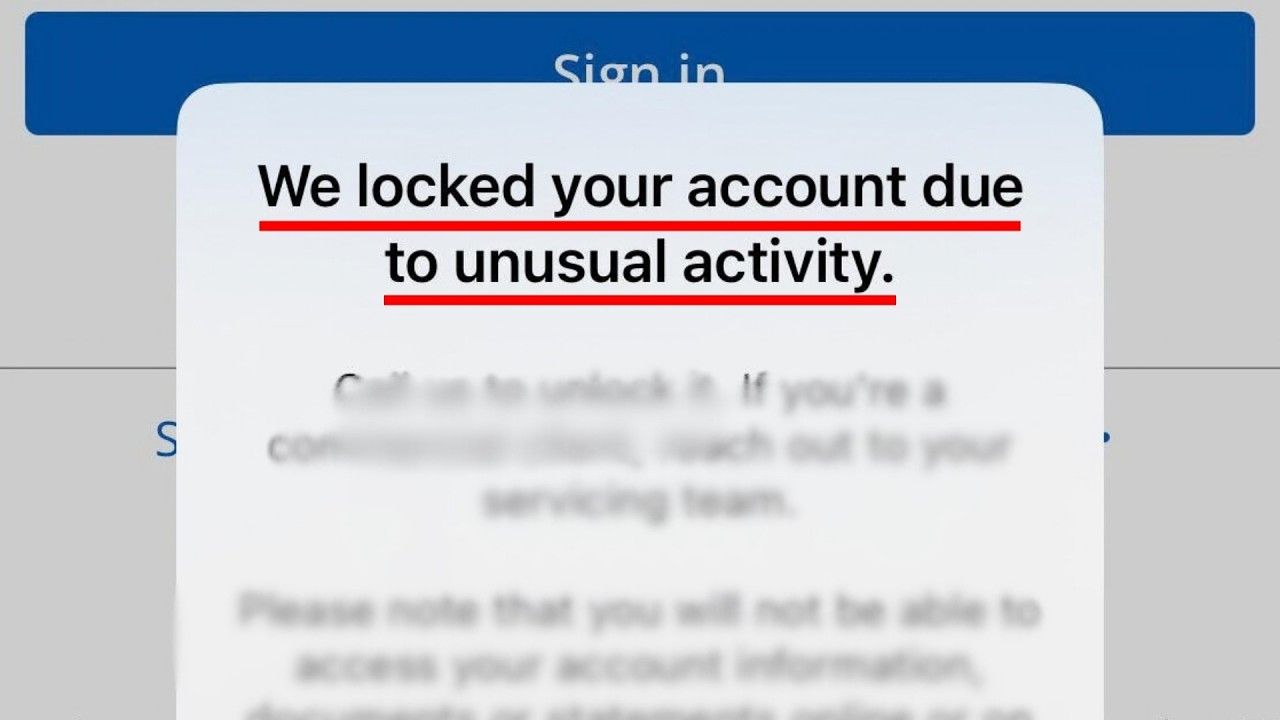
Banks are tightening parts of the financial system in 2026.
And that could mean more normal transactions getting flagged than before.
Imagine opening your banking app and seeing:
Transaction under review.
For something you’ve done a hundred times before.
A transfer. A deposit. A payroll change. A vendor payment. A real estate deal. A fintech account that suddenly has clearer warnings about what is and is not insured.
That is the kind of banking world we are moving into.
Some of these changes are good for consumers.
Some will add friction.
And some could create serious surprises if you move money in ways that do not match your normal pattern.
Quick Answer
In 2026, several banking and finance rules are changing around ACH fraud monitoring, residential real estate reporting, FDIC digital disclosures, PACE financing, and federal credit union loan rate caps. The biggest everyday impact may come from stronger ACH fraud monitoring because banks and payment companies are being pushed to watch transaction patterns more closely. That can help stop fraud, but it may also lead to more holds, reviews, or temporary restrictions when your activity suddenly looks unusual.
Why These Banking Changes Matter
Most people do not care about banking rules until the rules hit their account.
Then suddenly it matters.
A payment gets paused.
A transfer gets reviewed.
A real estate closing gets extra paperwork.
A fintech app has to explain what is actually FDIC insured.
A credit union loan stays available, but the rate cap stays higher than many people would like.
That is why this matters.
The changes are not all aimed at consumers directly, but consumers will still feel the effects.
Banks, credit unions, fintechs, payment companies, title companies, and lenders are all adjusting to tighter oversight.
And when financial companies adjust, the customer usually notices.
Disclosure: This article may contain affiliate links, which means I may earn compensation if you click or apply through certain links.
1. ACH Fraud Monitoring Is Getting Stronger
This is the change normal people may feel the most.
ACH is the payment network behind a lot of everyday money movement.
That includes:
-
Direct deposit
-
Payroll
-
Government benefits
-
Online bill pay
-
Bank-to-bank transfers
-
Vendor payments
-
Automatic withdrawals
-
Many digital transfers
So when ACH rules change, it is not some tiny corner of the banking system.
This is the plumbing.
Nacha, the organization that governs the ACH Network, has been rolling out new risk-management and fraud-monitoring rules in phases. One major phase began in March 2026 for certain higher-volume participants, with broader coverage later in 2026.
The goal is to reduce fraud.
That part is good.
But stronger fraud monitoring can also mean more sensitivity around unusual activity.
What Stronger ACH Monitoring Really Means
Think of your bank account like it has a behavioral fingerprint.
The system learns:
-
How often you get paid
-
How much you normally receive
-
How often you transfer money
-
Who you usually send money to
-
How large your normal transfers are
-
How quickly money moves in and out
-
Whether new accounts or vendors appear suddenly
Then when something does not match, it can get flagged.
That might be a good thing if someone is trying to steal your money.
But it can also be annoying if you are doing something legitimate.
Let’s say you normally:
-
Get paid twice a month
-
Spend under $300 per transaction
-
Move small amounts between checking and savings
Then suddenly:
-
You receive a $9,000 deposit
-
You send a large ACH transfer to a new account
-
You change payroll details
-
You send payments to a new vendor
-
You move money in and out faster than usual
Even if everything is legal and normal, the system may say:
Hold up. This does not look like you.
That can lead to a transaction review.
Or a temporary hold.
Or an account restriction until the bank confirms what is happening.
Why One Big Transfer Can Trigger Problems
Banks have always had fraud systems.
That part is not new.
What is changing is the pressure to monitor more aggressively and catch suspicious activity faster.
The faster the system reacts, the faster legitimate activity can get caught in the net too.
That is the tradeoff.
Fraud prevention helps protect people.
But fraud prevention can also create friction for people who make sudden large moves.
If you are about to move money in a way that is very different from your normal pattern, prepare for possible friction.
That does not mean the bank will freeze your account.
But you should not be shocked if the transfer gets reviewed.
How to Reduce ACH Red Flags
You cannot control every bank algorithm.
But you can make your money movement look cleaner.
Before a large ACH transfer, consider:
-
Making sure your contact information is updated
-
Avoiding multiple unusual transfers on the same day
-
Giving the bank a heads-up before a major transaction
-
Keeping records showing where the money came from
-
Avoiding rapid in-and-out movement with brand-new accounts
-
Using consistent accounts for payroll and bill pay
-
Double-checking new vendor or payroll banking details
If you run a business, this matters even more.
Payroll changes, vendor account changes, and first-time payments are the kind of areas fraud systems watch closely.
Helpful resource: If you are building business banking relationships for future funding, my Business Credit Buildout System is designed to help business owners build a cleaner, more fundable profile.
2. Residential Real Estate Reporting Got Complicated
This one affects real estate investors, business owners, trusts, and anyone buying residential property through an entity.
FinCEN, the Financial Crimes Enforcement Network, created a rule that was supposed to expand reporting for certain non-financed residential real estate transfers.
In plain English:
If residential real estate was bought without traditional financing and the buyer was an entity or trust, more beneficial ownership reporting could have applied.
That means the government wanted clearer documentation on the real human owners behind the LLC, trust, partnership, or other entity.
Not just the company name.
Not just the trust name.
The actual people behind it.
Important Update: The Rule Was Vacated
This is where the article needs a major update from the original script.
The real estate reporting rule was scheduled to take effect on March 1, 2026.
But after that, a federal court order vacated the rule.
FinCEN has said that while the court order remains in force, reporting persons are not required to file Real Estate Reports and are not subject to liability for failing to do so.
So the original version of this story was directionally important, but the current legal status is more complicated.
The big takeaway is this:
Real estate privacy is under more scrutiny, but the specific FinCEN reporting requirement is currently not being enforced while the court order remains in force.
What the Real Estate Rule Was Trying to Target
The original rule focused on certain residential real estate transfers that were:
-
Non-financed
-
Involving residential property
-
Transferred to certain entities or trusts
-
Not covered by an exception
The reason is simple.
All-cash real estate deals through LLCs and trusts can make it harder to see who really owns the property.
That can matter for anti-money laundering enforcement.
If you are a real estate investor using LLCs, trusts, private deals, or all-cash purchases, this is still a space to watch.
Even if the rule is currently blocked, regulators have clearly shown interest in real estate transparency.
What Real Estate Investors Should Do
Do not panic.
But do not ignore it either.
If you buy residential property through LLCs or trusts, especially without traditional financing, you should keep cleaner records.
That means knowing:
-
Who owns the entity
-
Who controls the trust
-
Where the funds came from
-
Whether the transfer is financed or non-financed
-
Whether an exemption applies
-
What your closing agent or attorney needs from you
This is not a “figure it out later” area.
If you are buying property through an entity, talk with your real estate attorney or title professional before closing.
The rules can change again.
3. FDIC Digital Disclosure Rules Are Getting Clearer
This one sounds boring, but it actually matters.
The FDIC updated rules around how banks and financial companies show deposit insurance status online and in digital channels.
Why?
Because fintech has made banking look messy.
A lot of apps look like banks.
They use bank-like language.
They show balances.
They issue debit cards.
They let you store money.
But not every balance inside every app is insured the way people think.
That is the problem regulators are trying to clean up.
Why FDIC Insurance Labels Matter
FDIC insurance protects eligible deposits at FDIC-insured banks.
But fintech apps can be more complicated.
Some fintech companies partner with banks.
Some offer products that are not deposits.
Some hold funds through partner banks.
Some mix insured deposit products with non-insured products.
And consumers do not always understand the difference.
That is why clearer digital disclosures matter.
If something is FDIC insured, it should be clear.
If something is not FDIC insured, the company should not make it sound like it is.
That is good for consumers.
Because the last thing you want is to find out after a fintech failure that your money was not protected the way you thought.
What to Check Before Using a Fintech App
Before you park serious cash inside a fintech app, ask:
-
Is this actually a bank?
-
If not, what bank holds the deposits?
-
Are the funds eligible for FDIC insurance?
-
Are there limits or conditions?
-
Is the product a deposit account or an investment/cash management product?
-
What happens if the fintech company fails?
-
How quickly can I move my money out?
Do not assume the app is safe just because the branding looks clean.
Read the deposit insurance language.
And if you cannot understand it, that is a red flag.
4. CFPB PACE Financing Rules Add More Consumer Protection
PACE financing is one of those products many people do not think about until they are buying solar panels, energy upgrades, storm protection, or other property improvements.
PACE stands for Property Assessed Clean Energy.
With PACE financing, the repayment is usually tied to the property tax system.
That is a big deal.
Because it can affect your property taxes, your lien situation, your future sale, and your ability to refinance.
The CFPB’s residential PACE rule brings stronger Truth in Lending Act-style protections into this category.
That includes ability-to-repay rules and clearer disclosures.
Why PACE Financing Can Be Risky
PACE financing can sound simple.
Upgrade your home now.
Pay it back through your property taxes.
But that structure can create problems.
The payment may be attached to your property tax bill.
The lien can affect your property.
The financing may complicate a refinance or sale.
And if the homeowner does not fully understand the cost, the deal can become a headache.
That is why stronger disclosures matter.
People need to know what they are signing.
They need to understand the payment.
They need to understand how it affects the property.
And lenders need to look more closely at the borrower’s ability to repay.
Who Should Pay Attention to the PACE Rule?
This rule matters most if you are considering:
-
Solar panel financing
-
Energy-efficient home upgrades
-
Hurricane or storm protection upgrades
-
Roofing tied to property-assessed financing
-
Home improvement offers tied to property taxes
If you are a homeowner, do not treat PACE financing like a simple contractor payment plan.
It can be more serious than that.
Before signing, compare it against:
-
A HELOC
-
A home equity loan
-
A personal loan
-
Cash savings
-
A 0% APR card, if the project is small enough and you have a payoff plan
-
Contractor financing
-
Local grant or rebate programs
The cheapest-looking option is not always the cheapest real option.
5. Credit Union Loan Rate Cap Extended Through 2027
Now let’s talk about credit unions.
The NCUA extended the temporary 18% interest rate ceiling for loans made by federal credit unions through September 10, 2027.
Without the extension, the cap could have fallen back to 15%.
This matters because credit unions still need room to price risk, especially when market rates are higher.
From the credit union side, keeping the cap at 18% can help them keep making loans to borrowers who may not qualify at lower pricing.
From the consumer side, it means access may continue, but rates can still be higher than many people want.
Why the 18% Cap Is a Mixed Bag
I will be honest.
As someone who likes credit unions, I do not love seeing higher rate ceilings stick around.
Credit unions are supposed to be the consumer-friendly alternative.
The place you go when you do not want to get squeezed by big-bank pricing.
But there is another side to it.
If credit unions cannot price certain loans high enough for the risk, they may stop offering those loans to riskier borrowers.
So the cap extension can mean:
-
More access to loans
-
More flexibility for credit unions
-
But potentially higher rates for borrowers
That is the tradeoff.
It is not as simple as “higher cap bad” or “lower cap good.”
If the cap drops too low in a high-rate environment, some borrowers may lose access.
If the cap stays high, some borrowers may pay more.
What Borrowers Should Do
If you are borrowing from a credit union, do not assume the rate is automatically amazing.
Credit unions can be better than banks in many cases, but you still need to compare.
Before accepting a loan, check:
-
APR
-
Fees
-
Loan term
-
Monthly payment
-
Prepayment rules
-
Whether the rate is fixed or variable
-
Whether your credit score qualifies for a better tier
-
Whether another credit union can beat the offer
Credit unions are great.
But you still have to shop.
Helpful resource: If you are researching credit unions for loans, cards, or membership access, my 150+ Credit Unions Anyone Can Join Database can help you find more institutions to compare.
What These Changes Mean for Consumers
The big theme in 2026 is simple:
More monitoring.
More transparency.
More documentation.
More friction.
That does not mean the system is collapsing.
It means financial institutions are being pushed to watch money movement more closely and explain financial products more clearly.
That can protect consumers.
But it can also annoy consumers.
The same fraud monitoring that catches a scammer may also flag your legitimate transfer.
The same real estate transparency push that targets money laundering may add complexity for investors using LLCs.
The same FDIC disclosure rules that protect consumers may force fintechs to change how they market accounts.
The same PACE protections that help homeowners may create more paperwork.
The same credit union rate cap extension that preserves access may keep rates higher.
This is the tradeoff.
What I Would Do Right Now
If you want to avoid problems, get your financial life cleaner.
That means:
-
Keep your bank contact information updated
-
Avoid sudden unexplained account activity when possible
-
Keep documentation for large deposits and transfers
-
Be careful with new external accounts
-
Verify fintech deposit insurance status
-
Talk to professionals before entity-owned real estate deals
-
Read PACE financing disclosures before signing
-
Compare credit union loan rates instead of assuming they are always lowest
The people who get hurt by rule changes are usually the ones who are surprised by them.
Do not be surprised.
Frequently Asked Questions
Why are banks flagging more transactions?
Banks and payment companies are under more pressure to monitor ACH fraud and unusual transaction patterns. That can help stop fraud, but it may also cause legitimate transactions to get reviewed if they look different from your normal behavior.
What is ACH?
ACH stands for Automated Clearing House. It is a payment network used for direct deposit, payroll, bill pay, government benefits, bank transfers, and many electronic payments.
Can a bank freeze my account for a suspicious transaction?
Yes. Banks can restrict transactions or accounts while they investigate possible fraud, suspicious activity, identity issues, or unusual money movement. The exact process depends on the bank and the situation.
Is FinCEN’s residential real estate rule active?
The rule was scheduled to begin March 1, 2026, but a federal court later vacated it. While the court order remains in force, FinCEN says reporting persons are not required to file Real Estate Reports. This area should be reviewed before publishing because the legal status can change.
What is PACE financing?
PACE financing is a way to finance certain home improvements through an assessment tied to the property tax system. It is often used for energy efficiency, solar, or disaster-resilience improvements. Homeowners should read the terms carefully because it can affect property taxes, liens, refinancing, and sale issues.
Did federal credit union loan rates go up?
The NCUA extended the temporary 18% interest rate ceiling for federal credit union loans through September 10, 2027. That does not mean every loan will be 18%, but it does allow federal credit unions to continue pricing loans up to that ceiling.
Conclusion
The financial system is getting tighter in 2026.
ACH payments are getting more fraud monitoring.
Certain real estate transparency rules are in legal limbo but still worth watching.
FDIC digital disclosures are getting clearer.
PACE financing is getting stronger consumer protections.
And federal credit unions can keep using the 18% loan rate ceiling through 2027.
Some of this is good.
Some of it is annoying.
But all of it points in the same direction:
Banks, credit unions, fintechs, and regulators want more visibility into money movement.
So if your financial life is clean, organized, and documented, you are in a better position.
If your accounts are messy, your transfers look random, your fintech cash is parked somewhere you do not understand, or your real estate structure is sloppy, this is the time to clean it up.
Because in this new environment, the cleaner your financial footprint looks, the less likely you are to get caught in the review pile.