
Amex AI Purchases: Convenient, But Should You Trust It?
Jun 29, 2026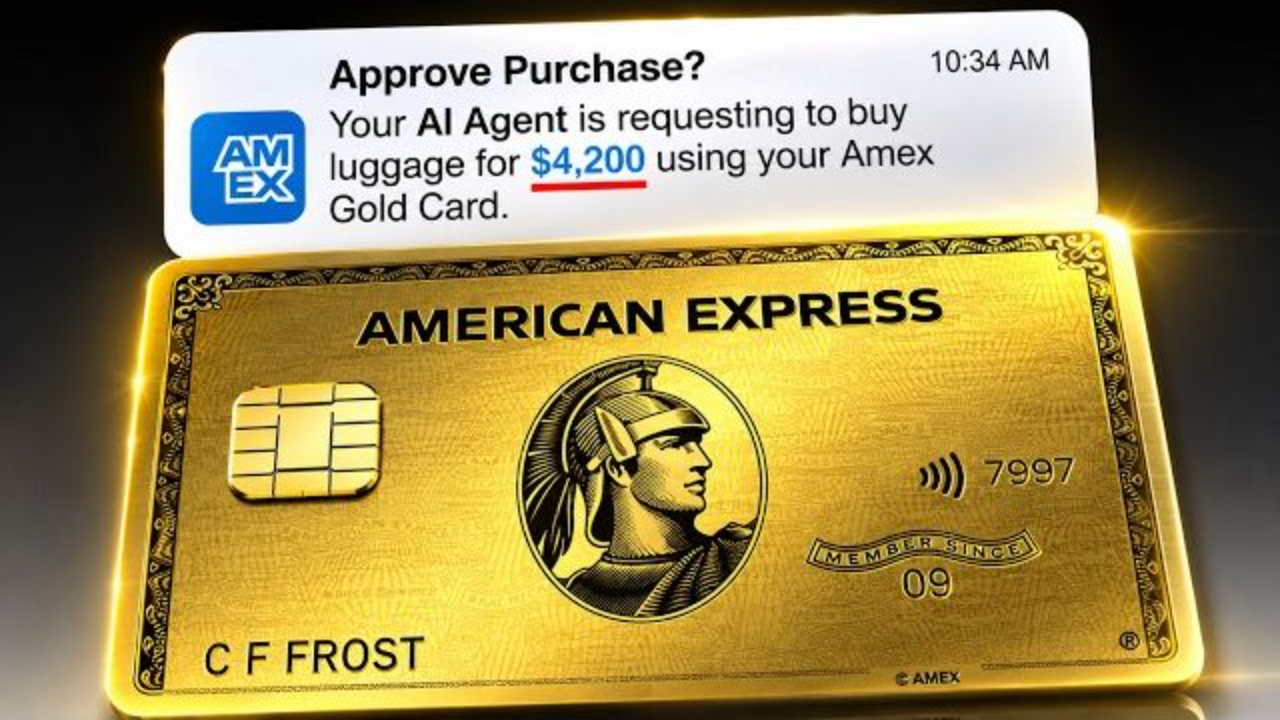
American Express is building for a world where AI can help make purchases on your credit card.
That sounds convenient on the surface.
But it also raises a serious question: what happens when you stop making the full buying decision and only approve the final result?
American Express calls this new system Agentic Commerce Experiences, or ACE. The basic idea is that AI-powered agents can help cardholders find products, book travel, make reservations, purchase goods, and eventually complete payments through Amex’s network. (American Express)
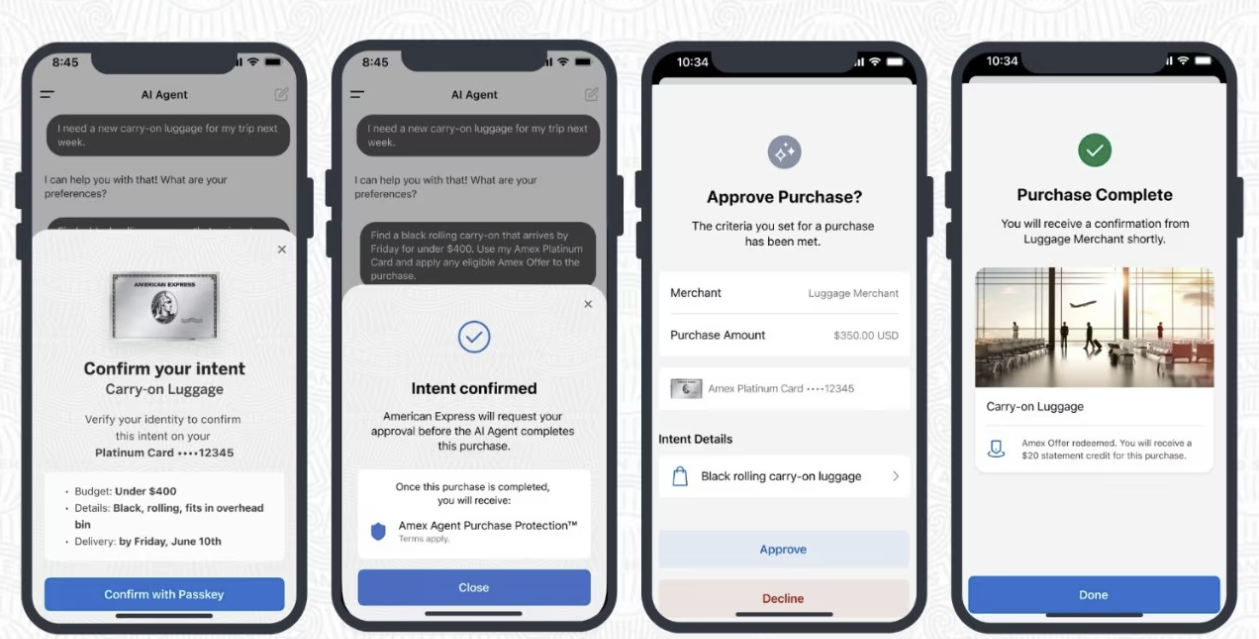
This is not just another checkout button. This is the next step after saved cards, auto-fill, and one-click checkout.
And once AI starts helping people spend money, cardholders need to pay attention.
Quick Answer
American Express is building an AI-powered commerce system called ACE that can let verified AI agents help with purchases using Amex cards. Amex says cardmembers will have spend and intent controls, and registered agent purchases may be covered by Amex Agent Purchase Protection when eligible. (American Express)
My take: this may be useful, but I would not rush to let AI make spending decisions for me. Convenience is nice, but when your money is involved, losing visibility can get expensive fast.
What Amex Is Building
American Express is building what it calls agentic commerce.
In plain English, that means AI can act on your behalf during the buying process.
The ACE developer kit is designed to help verified AI agents work inside Amex-powered transactions. Amex lists several pieces behind the system, including agent registration, account enablement, intent intelligence, payment credentials, and cart context. (American Express)
That may sound technical, so here is the simple version:
You give the AI a goal.
The AI looks for the product, service, or booking.
Then the system prepares the purchase using your Amex card.
The big promise is convenience. Less searching. Less typing. Less jumping between websites. Less friction.
But less friction is not always a good thing when money is involved.
How AI Credit Card Purchases Could Work
Let’s say you tell an AI tool:
“Find me the best flight to Miami under $500.”
The AI could search flights, compare options, pick what it thinks is the best one, and present the result to you.
You may see the price, airline, travel time, and booking details.
Then you approve the purchase.
After that, the AI can complete the payment using your Amex card details through tokenized payment credentials. Amex says its system is designed so verified AI agents can complete payments on behalf of a cardmember using tokenized credentials. (American Express)
No typing your card number.
No opening five tabs.
No clicking through every option yourself.
That sounds smooth.
But this is where people need to slow down.
The Big Shift: You Stop Seeing the Whole Process
The real issue is not just that AI can help you buy something.
The issue is that you are no longer part of the full process.
Before, you searched. You compared. You clicked through options. You looked at prices. You checked the fees. You decided what trade-offs were worth it.
With AI commerce, the AI does a lot of that work before you ever see the final answer.
That means you may not see:
-
The cheaper option it did not pick
-
The extra fee buried in the checkout
-
The cancellation rule you would have noticed
-
The merchant it skipped
-
The trade-off it made without asking you first
That is the uncomfortable part.
You are not saying, “Buy this exact thing.”
You are saying, “Find something that fits this idea.”
Then you are trusting the AI to fill in the gaps.
That is a very different kind of credit card purchase.
Amex Knows This Can Go Wrong
American Express is already building protection around AI agent purchases.
That is good.
But it also tells you something important.
Mistakes are expected.
Amex says that in the future, if a cardmember authorizes a registered AI agent to make a purchase and the agent sends Amex the customer’s authenticated purchase intent, Amex will protect eligible customers from charges related to AI agent error. (American Express)
That sounds helpful, but there are limits.
Amex says claims may be reviewed and verified, and protection may not apply in some cases, including where the purchase intent is subjective or hard to verify. Examples include vague instructions like “best” or “really nice.” (American Express)
That matters a lot.
Because most people do not give perfect instructions when they shop.
They say things like:
-
“Find me the best hotel.”
-
“Book something nice.”
-
“Get a good deal.”
-
“Find the easiest flight.”
-
“Pick the best option.”
That sounds normal to a human.
But from a dispute standpoint, that can get messy.
If the AI books something you hate, but it technically fits your vague instruction, who is responsible?
That is where this gets complicated.
Where This Could Get Uncomfortable
Right now, Amex’s public materials say cardmembers are supposed to stay in control and verified AI agents transact after explicit approval of purchase intent. (American Express)
But it is not hard to see where this could go next.
Eventually, people may want settings like:
-
Auto-approve anything under $200
-
Let AI handle all travel bookings
-
Automatically reorder usual purchases
-
Let AI shop for business supplies
-
Let AI refill inventory for a company
In fact, Amex already describes a future where AI-powered agents can find and book flights, make dinner reservations, purchase goods, refill inventory for businesses, and complete payments autonomously. (American Express)
That is where the line starts moving.
At first, AI helps you shop.
Then AI helps you decide.
Then AI starts buying within limits you already approved.
And once you start delegating spending decisions, it gets easier to overspend, miss details, and lose track of what is actually happening.
This Is Bigger Than Amex
Amex is early here, but this is not just an Amex story.
If American Express is building agentic commerce, you should expect the rest of the payments world to move in the same direction.
Why?
Because faster spending means more transactions.
More transactions mean more revenue for payment networks, banks, merchants, and fintech platforms.
Amex’s own agentic commerce page lists support from major companies across payments, travel, technology, and AI, including names like Delta, Expedia, Hilton, Google, Microsoft, OpenAI, PayPal, Stripe, and others. (American Express)
So this is not some random experiment sitting in a corner.
This is where payments are going.
The real question is whether consumers are ready for it.
My Take: Keep AI Away From the Final Spending Trigger for Now
The good news is that this is not something you have to use.
At least right now, I would keep it optional.
Personally, I do not think AI is ready for prime time when it comes to actually pulling the trigger on your money.
We have all seen the problem.
AI still makes mistakes.
It still hallucinates.
It still gets things confidently wrong.
That may be fine when you are asking it a question.
It is a different story when it is spending your money.
There is also a transparency issue.
You may not really know what is happening behind the scenes.
Is the AI actually finding you the best deal?
Or is it being pushed toward certain merchants, preferred partners, or options that are better for the platform than they are for you?
That matters.
Because incentives matter.
And AI does not think like you. It does not know what you value most, what trade-offs you would personally make, or what you would regret buying later.
It is making a best guess based on data.
That is not the same thing as your judgment.
What Cardholders Should Do Before Using AI Commerce
If you decide to use AI-powered checkout tools in the future, do not treat them like magic.
Treat them like a tool that needs limits.
Here is what I would do:
-
Keep final approval turned on whenever possible.
-
Use spending alerts on your card.
-
Review the merchant, price, fees, and cancellation rules before approving.
-
Avoid vague instructions like “best,” “nice,” or “good deal.”
-
Be careful with travel bookings, large purchases, subscriptions, and anything with strict refund rules.
-
Check your Amex account settings to see what controls are available.
-
Do not let convenience talk you into skipping basic review.
The more specific your instruction is, the less room there is for the AI to make a decision you would not have made.
Disclosure: This article may contain affiliate links, which means I may earn compensation if you click or apply through certain links.
Helpful resource: Before opening a new card for travel, cash back, or future AI checkout tools, my Free Credit Card & Loan Pre-Approval Master List can help you look for pre-approval options before risking unnecessary hard pulls when possible.
Suggested internal links to add during publishing: Best Credit Cards With Soft-Pull Pre-Approval, What to Do Before Applying for a Credit Card, and Credit Cards That Reveal Your Starting Limit Before Approval.
Frequently Asked Questions
What is Amex agentic commerce?
Amex agentic commerce is American Express’s system for allowing verified AI agents to help with cardmember transactions. Amex calls the system Agentic Commerce Experiences, or ACE, and says it can support AI-powered shopping, bookings, reservations, and payments. (American Express)
Can AI buy things with my Amex card without my approval?
Based on Amex’s current public page, the company says cardmembers are in control and verified AI agents transact only after explicit approval of purchase intent. Amex also says features shown are under development, subject to change, and may vary by market. (American Express)
What is Amex Agent Purchase Protection?
Amex Agent Purchase Protection is Amex’s planned protection for eligible charges related to AI agent error when a registered AI agent is used and Amex receives the cardmember’s authenticated purchase intent. Claims are subject to review and verification, and the full terms are expected to be made available later. (American Express)
Why could AI credit card purchases be risky?
The risk is that AI may choose something you would not have chosen yourself. It may miss details, prioritize a different trade-off, or pick an option based on criteria you did not fully understand.
Should I let AI book travel with my credit card?
I would be careful. Travel has too many details that matter, including cancellation rules, baggage fees, seat selection, arrival times, hotel policies, and refund restrictions. AI can help you compare options, but I would still review everything before approving the purchase.
Will AI always find the cheapest option?
No. “Best” does not always mean cheapest. The AI may prioritize speed, convenience, partners, availability, or other factors unless you give very specific instructions.
Conclusion
Amex AI purchases may be convenient, but convenience is not the same thing as control.
This is the next step in credit card payments. First we had saved cards. Then one-click checkout. Now we are moving toward AI agents that can search, decide, and prepare purchases for us.
That can be useful.
But it can also create a world where money moves faster than your awareness does.
For now, I would treat Amex agentic commerce as a tool.
Not something you fully hand control over to.